


Before worrying about shapes or sizes, nail down the medium question. Oil painting brushes and watercolor brushes aren't interchangeable—they're engineered for completely different paint behaviors and handling requirements.

Brushes Purchase Guide
The paint brush might be the most personal tool in any artist's kit. Unlike paint, which behaves fairly predictably once you understand its chemistry, brushes develop relationships with painters. You'll find artists who've used the same worn-down filbert for fifteen years because it does one specific thing perfectly. Others replace brushes seasonally, treating them as consumables rather than investments.
Walk into an art supply store and you'll face hundreds of brushes—rounds, flats, brights, filberts, fans, liners, mops, and variations within each category. Natural hair versus synthetic. Short handle versus long. Sizes that aren't standardized between manufacturers, which means a size 8 from one brand feels nothing like a size 8 from another. Prices ranging from $2 to $200 for what looks like basically the same tool.
Here's what matters: the right brush makes painting feel effortless. The wrong brush—even an expensive one—fights you on every stroke. A $5 synthetic can outperform a $50 natural hair brush if it's the right tool for your medium and technique. The expensive Kolinsky sable that portrait painters worship becomes a frustrating mess in thick acrylic paint. Meanwhile, a cheap synthetic designed for acrylics handles that paint beautifully.
Essential Truth: Quality brushes hold their shape longer, apply paint more predictably, and actually save money through durability. But expensive doesn't automatically mean better—it means designed for specific applications. A $100 watercolor brush is worse than useless for heavy oil paint, while a $10 acrylic brush handles that medium perfectly.
Matching Brushes to Medium: Why This Matters Most
Watercolor Brushes
Handle Length: Short (6-7 inches) for close control and detailed work
Hair Type: Natural hair for maximum water retention and controlled release
Why it matters: Watercolor requires holding water and pigment in the belly of the brush, releasing it gradually for smooth washes and controlled detail. Synthetic hair can work but most watercolorists prefer natural.
Top choices: Kolinsky sable (Winsor & Newton Series 7), squirrel hair (da Vinci Casaneo), ox hair for larger washes
Popular brands: Winsor & Newton, da Vinci, Escoda, Silver Brush
Oil Painting Brushes
Handle Length: Long (10-12 inches) for arm movement and working at distance from canvas
Hair Type: Natural bristles (hog bristle) or stiff synthetics for pushing heavy paint
Why it matters: Oil paint has body and resistance. Soft brushes collapse under pressure. You need stiffness to move paint around and create texture.
Top choices: Hog bristle (Rosemary & Co.), mongoose, synthetic blends (Princeton Catalyst)
Popular brands: Rosemary & Co., Silver Brush, Princeton, Escoda
Acrylic Painting Brushes
Handle Length: Medium to long (8-10 inches) for versatility
Hair Type: Synthetic bristles resist acrylic's fast-drying, adhesive properties
Why it matters: Acrylic paint destroys natural hair faster than other media. The polymers bind to natural fibers and never fully wash out. Synthetics resist this, clean completely, and bounce back.
Top choices: Taklon, nylon, high-quality synthetic blends
Popular brands: Princeton Catalyst, Silver Black Velvet, Loew-Cornell
Mixed Media Brushes
Handle: Various lengths for different techniques
Hair Type: Synthetic or natural/synthetic blends
Top Choices: Versatile synthetics, natural/synthetic blends
Popular Brands: Princeton Catalyst, da Vinci Nova, Royal & Langnickel
Understanding Brush Construction
Every quality brush has three components working together. Understanding how they interact helps you predict how a brush will perform and when it's time to replace it.
- Hair/Bristles (The Head): Three sections—toe (tip), belly (widest part that holds paint), heel (base near ferrule). Length, taper, and stiffness all affect how paint flows and how marks appear.
- Ferrule: The metal band securing hair to handle. Quality matters here—cheap ferrules corrode, loosen, or crimp unevenly causing hairs to splay. Seamless ferrules from good manufacturers maintain consistent pressure for years.
- Handle: More than comfort—length affects technique. Short handles force close work and detail. Long handles enable arm movement and expressive strokes. The balance point between ferrule and handle end changes how the brush feels in motion.
| Size Range | Typical Uses | Best For | Handle Length |
|---|---|---|---|
| 000-1 (Detail) | Fine lines, tiny details, touch-ups | Miniature painting, botanical illustration | Short to medium |
| 2-6 (Small) | Small areas, moderate detail work | Portrait features, small studies | Short to medium |
| 8-12 (Medium) | General painting, blending, mid-size areas | Most common painting tasks | Medium to long |
| 14-20 (Large) | Broad strokes, base layers, backgrounds | Landscape painting, large canvas work | Long |
| 24+ (Extra Large) | Washes, priming, very large areas | Murals, house painting, large base coats | Long |
💡 Pro Tip:
Size Consistency Warning: Brush sizes are not standardized across manufacturers. A size 8 from Winsor & Newton may differ significantly from a size 8 from Princeton. Always compare actual dimensions or buy test brushes when switching brands.
Questions About Brushes That Actually Matter
What's the actual difference between natural and synthetic brushes?
Natural hair (sable, hog bristle, squirrel) has microscopic scales and sometimes hollow cores that hold more paint and release it gradually. Synthetic hair is smooth and solid, making it easier to clean and more durable but holding less paint. For watercolor, natural hair's paint capacity matters. For acrylics, synthetics' resistance to polymer damage matters more. It's not better or worse—it's fit for purpose.
How much should I actually spend on brushes?
Invest in a few quality brushes rather than many cheap ones. A good synthetic runs $10-30, premium natural hair $50-200+. For beginners, Princeton Catalyst or Silver Black Velvet offer excellent synthetic performance—learn with these before investing in premium natural hair. Professional painters often use $15 synthetics for 90% of their work, saving expensive sables for specific techniques where they matter.
Can I use the same brushes for different paint types?
Synthetic brushes work across media with proper cleaning. But dedicate natural hair brushes to specific media—oils damage watercolor brushes, acrylics ruin natural bristles over time. Keep separate brush sets if you work in multiple media. The cost of replacement brushes exceeds the cost of dedicated sets.
Why do some brushes cost over $100?
Premium materials and skilled handwork. Kolinsky sable comes from Siberian weasel tails—limited supply, carefully selected fibers, hand-tied construction. A Winsor & Newton Series 7 size 10 can cost $200 because it requires specific sable quality and expert assembly. These brushes hold perfect points, carry maximum paint, and last decades with care. For watercolorists working at professional levels, they're tools, not luxuries.
When should I replace a brush?
Replace when it no longer performs its job. Rounds that won't hold points, flats with splayed edges, persistent shedding despite cleaning—these signal replacement time. Quality brushes maintain shape for years with proper care. If cleaning and conditioning don't restore performance, the brush has reached its end. Don't nurse dying brushes—they fight you on every stroke.
Do brush sizes mean the same thing across brands?
No, and this frustrates everyone. Size 8 from one manufacturer differs from size 8 from another. The number indicates relative size within that brand's line only. When switching brands, compare actual dimensions or buy test brushes. Many artists stick with preferred brands partly to avoid this inconsistency.
Brush Shapes: Each One Solves Specific Problems
Brush shapes aren't aesthetic choices—they're functional solutions to different mark-making challenges. Understanding what each shape does well means you can predict which tool you need before picking it up.
Essential Brush Shapes
Round: The workhorse. Pointed tip for details, full belly for color loading. One brush that does lines, dots, washes, and controlled strokes. Sizes 2, 6, and 12 cover most painting tasks. If you're only buying three brushes, make them all rounds in different sizes.
Flat: Square edge creates bold strokes and crisp lines. Essential for blocking in color, painting straight edges, creating geometric shapes. Available in two lengths: brights (short, controlled) and longs (more paint capacity, flowing strokes).
Filbert: Flat body with rounded edge—the hybrid that does what both flats and rounds do. Reduces harsh edges naturally. Many painters never pick up anything else once they discover good filberts. Blending tool that also handles detail.
Angular: Slanted edge provides wide strokes and fine lines from one brush. Excellent for corners, edges, and areas requiring precision control. Underused by beginners, valued by experienced painters.
Fan: Spread bristles create texture impossible with other shapes. Foliage, clouds, grass, weathered wood—anywhere you need broken, organic texture. Specialized but irreplaceable for what it does.
Liner/Rigger: Long, thin bristles maintain fine lines over distance. Sign painters' tool adapted for detail work, continuous lines, and anywhere you need consistent thin marks. Also called script liners.
Handle Length Guidelines
- Short Handle (6-8 inches): Close control work, detailed painting, tabletop easels. Standard for watercolor and detailed oil work.
- Long Handle (10-14 inches): Arm movement, large strokes, standing easels. Traditional for oil and acrylic painting, allows distance from wet paint.
- Extra Long (16+ inches): Mural work, large canvas painting, full-arm movements. Specialized applications requiring maximum reach.
| Hair Type | Characteristics | Best Medium | Price Range | Top Brands |
|---|---|---|---|---|
| Kolinsky Sable | Superior point, maximum paint capacity | Watercolor | $50-300+ | Winsor & Newton Series 7, da Vinci Maestro |
| Red Sable | Good point, excellent spring | Watercolor, oils | $20-80 | Escoda Reserva, Silver Ruby Satin |
| Hog Bristle | Stiff, durable, holds heavy paint | Oil painting | $8-40 | Rosemary & Co., Silver Brush Grand Prix |
| Squirrel Hair | Soft, high water capacity | Watercolor washes | $15-60 | da Vinci Casaneo, Escoda Aquario |
| Ox Hair | Strong, good spring, economical | Oils, acrylics | $5-25 | Princeton Heritage, Silver Atelier |
| Synthetic Type | Characteristics | Best Medium | Price Range | Top Brands |
|---|---|---|---|---|
| Taklon | Smooth, precise, easy to clean | Acrylics, watercolor | $3-25 | Princeton Select, Loew-Cornell |
| High-End Synthetic | Mimics natural hair performance | All mediums | $15-60 | Princeton Catalyst, Silver Black Velvet |
| Nylon | Durable, retains shape well | Acrylics, mixed media | $5-20 | Royal & Langnickel, Dick Blick |
| Natural/Synthetic Blends | Combines best of both worlds | All mediums | $8-35 | da Vinci Nova, Princeton Dakota |
Sustainable Brush Choices
Environmental Considerations: Modern synthetic brushes offer excellent performance while avoiding animal products. Many manufacturers now use recycled ferrules and sustainable wood handles. Quality synthetic brushes also last longer than cheaper natural alternatives, reducing replacement frequency.
⚠️ Important:
Non-Negotiable Care Rules: Never leave brushes standing in solvent—it permanently bends bristles and loosens ferrules. Always clean immediately after use—dried paint in the ferrule is permanent damage. Store properly—moisture trapped in ferrules breeds mildew and loosens construction. These aren't suggestions, they're the difference between brushes lasting months or decades.
Brush Care: The Difference Between Years and Months
Proper care extends brush life from months to years. Neglect kills even expensive brushes fast. The rules are simple but non-negotiable.
Daily Maintenance That Actually Matters:
- Immediate Rinse: The moment you stop painting, rinse. Dried paint in the ferrule is permanent damage—bristles splay, point vanishes, brush is ruined. This isn't advice, it's law.
- Gentle Cleaning: Masters Brush Cleaner or plain Ivory soap with lukewarm water. Not hot—heat damages natural hair and can loosen ferrules. Work soap into bristles from ferrule to tip.
- Shape Restoration: Reshape brush head while damp. Natural hair especially needs this—it dries in whatever shape you leave it. Twist rounds to a point, stroke flats smooth.
- Proper Drying: Lay flat or hang bristles-down. Never store brushes bristles-up in water—ferrules loosen, wood swells, brush dies from the inside out.
- Storage: Ventilated containers or roll-up cases. Brush guards protect points during storage but remove them before drying—trapped moisture breeds mildew.
Deep Cleaning
For stubborn dried paint: Masters Brush Cleaner works miracles. Murphy's Oil Soap handles some problems. For dried acrylic, try denatured alcohol or Winsor & Newton Brush Restorer—but if paint has hardened in the ferrule, the brush is likely done. Prevention beats restoration every time.
- Stubborn Paint: Masters Brush Cleaner, Murphy's Oil Soap, or Winsor & Newton Brush Restorer
- Dried Acrylic: Denatured alcohol or commercial acrylic removers—but expect limited success if paint is truly set
- Oil Paint Buildup: Odorless mineral spirits followed by thorough soap cleaning
- Shape Restoration: Wrap clean, damp brushes in tissue paper to reform points and edges
💡 Pro Tip:
Professional Storage Reality: Store watercolor brushes with brush guards to maintain points. Oil and acrylic brushes can be stored in brush holders or laid flat. Never store brushes bristles-up in containers—water drips into ferrules, wood swells, metal corrodes, and brushes are ruined from the inside out. This single mistake destroys more brushes than all other care failures combined.
Watercolor Brushes
Watercolor brushes prioritize water retention and precise control. Short handles provide intimate control while natural hair offers superior paint-holding capacity and release characteristics.
Oil Painting Brushes
Oil brushes feature longer handles for distance work and stiffer bristles to move heavy paint. Hog bristle remains the gold standard for oil painting, though synthetic alternatives now offer comparable performance.
Acrylic Brushes
Acrylic painting brushes must withstand fast-drying paint and frequent cleaning. Synthetic bristles resist damage from acrylic polymers and maintain performance through repeated use.
Specialty Brushes
Specialized applications require purpose-built brushes:
- Miniature Painting: Ultra-fine points for scale model and figure work
- Sign Painting: Long-haired brushes for continuous lines and lettering
- Decorative Arts: Specialty shapes for specific pattern work
- Conservation: Gentle brushes for artwork restoration and cleaning
Types of Brushes
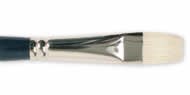
Short, flat bristles with square edges for controlled broad strokes. Princeton Catalyst and Silver Brush Grand Prix offer excellent bright brushes for oils and acrylics.
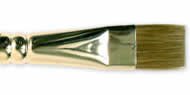
Square-edged brushes perfect for blocking in color and creating clean edges. Rosemary & Co. and da Vinci offer professional-quality flat brushes for all mediums.
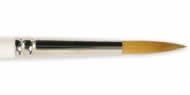
Pointed brushes for detail work and line control. Winsor & Newton Series 7 (watercolor) and Princeton Heritage (oils) represent top quality in round brushes.
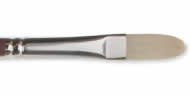
Versatile brushes combining flat and round capabilities with dome-shaped edges. Silver Black Velvet and da Vinci Casaneo excel in filbert construction for blending work.
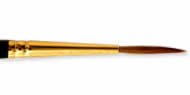
Long, slender bristles for continuous lines and fine detail. Also called riggers, these brushes excel at detail work. Escoda and Loew-Cornell produce excellent liner brushes.
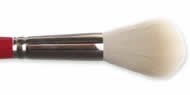
Large, soft brushes for washes and gentle blending. Squirrel hair mops from da Vinci and synthetic versions from Princeton provide excellent coverage for large areas.
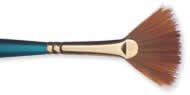
Spread bristles create texture effects for foliage, clouds, and special techniques. Silver Brush and Royal & Langnickel offer durable fan brushes for texture work.
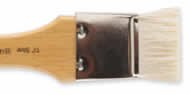
Extra-large flat brushes for covering broad areas quickly. Essential for watercolor washes and underpainting. Cheap Joe's and Princeton offer quality wash brushes in multiple sizes.
Shop Brushes Supplies
Professional brushes supplies for every application
Select Artiste Brush Sets
by Princeton

14
Versions of this item
From: $5.50

30
Versions of this item
From: $4.99
Ceramic Brush Holder
by Jack Richeson

$11.92
Camel Hair Round Brushes - Classroom Value Pack
by Royal & Langnickel

$15.29
Camel Hair Large Area Brushes - Classroom Value Pack
by Royal & Langnickel

$15.29
Brush Cleaning Tank
by Mona Lisa

$5.60
Brush Cleaning Tank
by Silicoil

$11.56
Brush Cleaning Fluid
by Mona Lisa

$8.41


