


Every framing decision comes down to three questions: How valuable is this piece (financially and sentimentally)? Where will it hang? How do I want it to look? Answer these honestly, and the right choices become obvious.

Framing Purchase Guide
You get a watercolor back from a cheap framer. It looks fine at first. Two years later, there's a yellow-brown line around the inside edge of the mat—mat burn, from acidic materials slowly eating into your artwork. The damage is permanent. The painting that took you twenty hours is ruined by a framing job that saved you forty dollars.
This happens constantly, and it's entirely preventable. Framing isn't just about making artwork look nice on a wall—it's the difference between a piece lasting generations and deteriorating within years. The materials you choose, the techniques used, and yes, the money you spend all matter. But here's the good news: once you understand what actually protects artwork versus what's just marketing, you can make smart decisions at every budget level.
The Core Principle: Good framing protects artwork from four enemies: UV light (causes fading), moisture (causes mold, warping, foxing), pollutants (causes discoloration), and physical damage. Everything else is aesthetics. Match your protection level to what the artwork is worth to you—not just financially, but sentimentally.
What's in This Guide
How to Think About Framing Decisions
Match Protection to Value (Be Honest With Yourself)
Not everything needs museum framing. A poster you'll replace in two years doesn't need $300 worth of archival materials. But your grandmother's watercolor or a piece you paid $2,000 for? Those deserve real protection.
Framing Investment Levels
Match your framing investment to what the artwork means to you
| What You're Framing | Protection Level | What You Need | Brands to Look For | Expect to Spend |
|---|---|---|---|---|
| Valuable originals, collectible art, pieces worth $1,000+ | Museum Quality | 100% cotton mats, UV glazing (99%), archival hinge mounting | Crescent Museum, TruVue Museum Glass | $150-500+ |
| Personal artwork, sentimental pieces, quality prints | Conservation | Acid-free mats, UV filtering (97%), reversible mounting | Crescent Select, TruVue Conservation Clear | $75-200 |
| Decorative pieces, reproductions, posters you like | Standard | Quality matboard, regular glass, secure mounting | Crescent Decorator, basic frames | $25-75 |
| Temporary displays, items you'll replace | Basic | Standard materials, simple mounting | Clip frames, basic matboard | $10-30 |
Where Will It Hang? (Environment Matters)
Location changes everything. A piece in direct sunlight needs different protection than one in a climate-controlled hallway.
Sunny rooms/near windows: UV-filtering glazing is essential, not optional. Sunlight fades most media within months to years. TruVue Conservation Clear blocks 97% of UV; Museum Glass blocks 99%.
Bathrooms, kitchens, humid climates: Moisture is the enemy. Use sealed frames, moisture barriers behind the backing, and avoid paper mats that absorb humidity.
Kids' rooms, hallways, high-traffic areas: Use acrylic instead of glass. It's shatter-resistant and lighter. Worth the slight reduction in optical clarity to avoid injuries and broken artwork.
Climate-controlled spaces: Standard conservation materials work well. You're protecting against time, not environmental extremes.
Style Choices (After You've Handled Protection)
Once you've sorted out protection, aesthetics become personal preference. Some guidelines:
Traditional spaces: Wood frames in warm tones (walnut, cherry, gilt), cream or warm white mats, generous proportions. Classic for a reason.
Contemporary/modern: Metal frames (black, silver, natural aluminum), white or cool gray mats, clean lines, minimal profiles. Let the art dominate.
Minimalist: Thin profiles or frameless options, white mats or float mounting, invisible hardware. The frame almost disappears.
The one rule: The frame should complement the artwork, not compete with it. If people notice the frame before the art, something's wrong.
Frequently Asked Questions
What's the difference between conservation and museum-quality framing?
Conservation framing uses acid-free materials and UV protection—good enough for pieces you want to keep for decades. Museum-quality goes further: 100% cotton mats (no wood pulp ever), premium UV glazing (99% blockage), and completely reversible mounting that meets archival standards. Museum framing costs more but provides maximum protection for truly valuable pieces.
Is UV-protective glass worth the extra cost?
For anything you care about, yes. Regular glass blocks zero UV light. Your artwork will fade—the only question is how fast. TruVue Conservation Clear blocks 97% of UV for moderate cost. Museum Glass blocks 99% and also reduces reflections. For valuable art in bright spaces, it's insurance that pays off.
How do I choose mat colors?
When in doubt, choose white or off-white—they work with everything and won't compete with the art. If you want color, pick something already present in the artwork, not something new. Dark mats make light artwork pop; light mats give breathing room. Double mats with a thin contrasting inner color add depth. Trust your eye, but remember: the mat supports the art, it shouldn't steal attention.
Can I frame canvas paintings?
Yes, but differently than paper. Floater frames leave a gap around the canvas, showing the painted edges and dimensional quality. Traditional frames need spacers to prevent the frame from touching the painted surface. Nielsen Bainbridge Gallery Frames and Ampersand Floater Frames are designed specifically for this.
My old frame has brown staining around the mat opening. What happened?
That's mat burn—acid from cheap matboard migrating into your artwork. It's permanent and irreversible. The only fix is reframing with conservation or museum-quality materials. This is exactly why mat quality matters from the start.
How do I know if my artwork is touching the glass?
Look at the frame at an angle in good light. If you see any contact points where artwork meets glazing, you need spacers or a mat. Even intermittent contact—from humidity causing paper to buckle—can cause damage over time.
How often should I check my framed pieces?
Once a year, give framed artwork a careful look. Check for condensation inside the glass (humidity problem), brown spots on paper (foxing, from mold), insect damage (tiny holes or debris), and yellowing or fading. Well-done conservation framing can last decades without issues, but catching problems early prevents worse damage.
💡 Pro Tip:
Never Let Art Touch Glass: This is non-negotiable. When artwork touches glazing directly, moisture gets trapped between them. The result: sticking, mold, surface transfer that pulls ink or paint right off the piece. Always use a mat or spacers to create an air gap. This rule applies to every piece you frame, regardless of value.
Wood Frames (The Classic Choice)
Wood frames remain the most popular option for good reasons: endless variety, warm appearance, easy to customize, and suitable for virtually any artwork.
Hardwoods (oak, maple, cherry, walnut): Dense, durable, take finish beautifully. More expensive but last forever. Worth it for significant pieces.
Softwoods (pine, poplar): Affordable, easy to work with, take paint well. Fine for casual framing, but dent and wear more easily.
Composite/MDF: Wood veneer over stable core. Won't warp like solid wood, costs less, consistent quality. Can't tell the difference once it's on the wall.
Brands to know: Nielsen Bainbridge and Larson-Juhl are the professional standards—museum-quality options and extensive selections. Roma Moulding offers good quality at lower price points.
Metal and Aluminum Frames (Modern, Durable, Low-Maintenance)
Metal frames dominate contemporary spaces for good reason: clean lines, precision construction, and they never need refinishing.
Why metal works: Dimensionally stable (won't warp), corrosion-resistant, perfect corners every time, lighter than equivalent wood profiles. Powder-coated finishes last decades. Easy to clean with a damp cloth.
The aesthetic: Industrial, modern, minimalist. Metal frames recede visually, letting art dominate. Black, silver, and gold are standards; colors available but less common.
Nielsen Alpha is the industry standard—anodized aluminum in numerous finishes, reliable quality. Framerica offers contemporary profiles with powder-coating. Graphic Image provides budget-friendly basics.
When to choose metal: Contemporary art, photography, graphics, posters, anything with a modern feel. Also excellent for large formats—lighter and more rigid than wood at comparable sizes.
Acrylic Frames (Safety First, Modern Look)
Acrylic frames offer two main advantages: they won't shatter, and they create a distinctly modern, floating appearance.
Safety applications: Kids' rooms, schools, hospitals, high-traffic commercial spaces—anywhere broken glass would be a serious problem. Acrylic dents rather than shattering.
The look: Crystal-clear, minimal visual presence. The artwork appears to float. Very contemporary, very clean.
Trade-offs: Scratches more easily than glass (though scratches can be polished out). Builds static charge that attracts dust. Not ideal for pastel, charcoal, or anything with loose particles—the static can pull material off the surface.
UV-filtering acrylic (like Acrylite OP-3) provides protection equivalent to conservation glass. Worth the upgrade for anything you care about.
Clip Frames (Minimal, Temporary, Budget-Friendly)
Clip frames eliminate the frame entirely—just glass or acrylic, clips holding everything together, and the artwork seemingly floating on the wall.
Good for: Certificates and documents you'll update. Rotating photo displays. Studio work you're still deciding about. Modern interiors where frames feel heavy. Budget framing when conservation isn't a priority.
Limitations: No mat (artwork may touch glazing unless you add spacers). Limited protection. Not suitable for valuable pieces. The minimal look isn't for everyone.
When they work perfectly: A gallery wall of family photos you change seasonally. Diplomas in a home office. Posters in a dorm room. Situations where flexibility matters more than permanence.
⚠️ Important:
Hanging Safely: Drywall alone holds almost nothing—use anchors or find studs for anything over 10 lbs. In earthquake zones, use security hardware that prevents frames from jumping off hooks. Near kids or in high-traffic areas, use acrylic instead of glass—shattering glass plus falling frame equals emergency room visit.
Matting (This Is Where Cheap Framing Fails)
The mat does two jobs: it creates visual space around artwork, and it holds the art away from glazing. But here's what most people don't know—mat quality varies enormously, and cheap mats actively damage artwork.
The problem with cheap mats: Standard matboard is made from wood pulp. Wood pulp contains lignin, which breaks down into acids over time. Those acids migrate into your artwork, creating the brown staining called 'mat burn.' This damage is permanent and irreversible.
What the quality levels mean:
Museum quality (100% cotton): No wood pulp, no acids, ever. For pieces you want to last centuries. Crescent Museum Board, Legion Museo.
Conservation (buffered wood pulp): Treated to be acid-free and buffered to resist acid migration. Good protection for decades. Crescent Select, Bainbridge Alphamat.
Standard: Basic wood pulp. Fine for posters, reproductions, temporary displays. Will eventually cause mat burn.
Quick Reference: Protection by Value
| Artwork Value | Minimum Mat Quality | Minimum Glazing | Mounting Method |
|---|---|---|---|
| $1,000+ or irreplaceable | 100% cotton (museum) | Museum Glass or Conservation Clear | Reversible hinge only |
| $100-1,000 or sentimental | Conservation (acid-free) | Conservation Clear minimum | Reversible preferred |
| Under $100, replaceable | Standard acceptable | Regular glass okay | Any method |
Mat Design (The Proportions That Work)
Mat width matters more than most people realize. Too narrow looks cheap; too wide overwhelms small pieces.
General guidelines: Small artwork (up to 8×10) needs 2-3 inch mats. Medium pieces (11×14 to 16×20) work with 3-4 inches. Large artwork (18×24 and up) can handle 4-6 inch mats.
The bottom-weight trick: Add 1/4 to 1/2 inch extra at the bottom of your mat. Optically, equal borders make the bottom look too small—slightly weighting the bottom creates perceived balance.
Double and triple mats: An inner mat in a contrasting color (typically 1/8 to 1/4 inch showing) adds visual depth and draws the eye. Traditional, elegant, worth the extra cost for significant pieces.
Color choice: When in doubt, go neutral—white, off-white, light gray. Colored mats should echo a color already in the artwork, not introduce something new. The mat should support, not compete.
Cutting Your Own Mats (Is It Worth It?)
Mat cutting equipment ranges from $30 handheld cutters to $3,000+ professional systems. Whether DIY makes sense depends on volume.
Handheld cutters (Logan Compact, Alto 45): $30-75. Adequate for occasional use if you're patient and practice. Expect some waste as you learn. Beveled cuts require practice.
Tabletop systems (Logan Simplex, Keencut Javelin): $150-400. Significantly better accuracy and consistency. Worth it if you frame more than a few pieces yearly.
Professional systems (Fletcher 3000, computerized cutters): $800-3,000+. For serious volume or commercial use. Production quality, minimal waste, complex shapes possible.
The math: A custom-cut mat from a framer costs $15-40. If you frame 5+ pieces a year, a tabletop system pays for itself quickly. Fewer than that? Just buy pre-cut mats or have them cut professionally.
Essential accessories: Fresh blades (dull blades tear instead of cut), a good straightedge, and a self-healing cutting mat for your work surface.
Mounting Methods (Reversible vs. Permanent)
How you attach artwork to the backing determines whether it can ever be safely removed. For valuable pieces, reversibility is non-negotiable.
Reversible methods (use for anything valuable):
Hinge mounting: Japanese tissue attached with wheat starch paste. The museum standard. Adhesive softens with water, allowing safe removal decades later. Takes practice but provides archival-quality results.
Photo corners: Acid-free corners hold artwork without any adhesive touching the piece. Simple, foolproof, easily reversible. Perfect for photographs and works on paper.
Float mounting: Artwork appears to hover in the frame, edges visible. Requires invisible support system. Dramatic presentation for pieces with interesting edges or deckled paper.
Permanent methods (only for reproductions/posters):
Dry mounting, spray adhesives, and pressure-sensitive tapes permanently bond artwork to backing. Fine for posters. Never use on originals, photographs you care about, or anything with monetary or sentimental value.
Brands: Lineco makes the archival standard for tapes, hinges, and corners.
Backing Boards (The Forgotten Layer)
Behind the artwork, behind the mounting, there's a backing board most people never think about. It matters more than you'd expect.
What backing does: Protects against physical damage from behind, blocks dust and pollutants, provides rigidity to the frame package, and creates a moisture barrier.
Acid-free foam core: The standard choice. Lightweight, easy to cut, provides good protection. Make sure it's actually acid-free—regular foam core is not.
Conservation matboard: Denser than foam core, provides better protection. Use for valuable pieces.
Corrugated plastic (Coroplast): Waterproof, lightweight, reusable. Excellent for humid environments or pieces that might need reframing.
MDF backing: Heavy but extremely rigid. Use for large frames that need structural support to prevent warping.
The seal: For maximum protection, seal the backing to the frame with framer's tape around all edges. This keeps out dust, insects, and moisture.
The Sustainable Choice Is Quality
A well-framed piece lasts decades to centuries. Cheap framing deteriorates and needs replacing, creating waste and costing more long-term. FSC-certified wood frames, recycled aluminum, and low-VOC finishes are available without premium pricing. But the most sustainable choice is simply framing it right the first time.
Glazing Options (The UV Protection Question)
Glazing—the glass or acrylic covering the artwork—affects both protection and viewing quality. The range runs from basic picture glass to museum-grade options costing hundreds of dollars.
The UV question: Ultraviolet light causes fading. Period. Regular glass blocks zero UV. Conservation glass blocks 97%. Museum glass blocks 99%. For anything you want to keep looking good for decades, UV filtering is essential, not optional.
The reflection question: Standard glass shows reflections. Non-glare glass diffuses light but slightly hazes the image. Museum glass uses anti-reflective coatings to minimize reflection while maintaining clarity—it's why you can see paintings in museums without fighting glare.
The cost question: Regular glass costs almost nothing. Conservation Clear runs $30-60 for common sizes. Museum Glass costs $100-300+ depending on size. Worth it for valuable pieces; overkill for posters.
Mat Board Quality Explained
The difference between mat grades is what they'll do to your artwork over time
| Grade | Made From | Acid Level | Use It For | Brands |
|---|---|---|---|---|
| Museum | 100% cotton fiber—no wood at all | pH 8.5+ (alkaline, protective) | Valuable originals, archival storage, anything you want to last 100+ years | Crescent Museum, Legion Museo |
| Conservation | Purified wood pulp, chemically buffered | pH 7.5-8.5 (neutral to alkaline) | Quality artwork, long-term display—good for decades | Crescent Select, Bainbridge Alphamat |
| Standard | Wood pulp, basic processing | pH 6.5-7.5 (slightly acidic) | Decorative framing, posters, reproductions—will cause mat burn eventually | Crescent Decorator |
| Economy | Recycled content, minimal processing | pH varies (often acidic) | Practice, temporary displays—not for anything you want to keep | Craft store brands |
Glazing by Artwork Type
Different media have different vulnerabilities. Match your glazing to what you're protecting.
Photography: UV protection essential—photographic dyes and papers are highly light-sensitive. Museum glass gives optimal clarity for viewing fine detail.
Watercolors: Among the most light-sensitive media. UV filtering is mandatory. Many watercolors have faded to shadows of their original selves due to inadequate protection.
Prints, drawings, works on paper: Conservation glass minimum. Paper yellows and becomes brittle with UV exposure; inks and graphite fade.
Pastels and charcoal: Use glass, not acrylic. Acrylic builds static charge that can lift loose particles off the surface. Always use spacers—these media smear on contact.
Oil and acrylic paintings: Often displayed without glazing to show texture. If glazing is used (for protection in problematic environments), acrylic is lighter for large pieces.
Hanging Hardware (Don't Cheap Out Here)
Hanging hardware is the last thing between your framed artwork and the floor. This is not where to save money.
Match hardware to weight:
Under 5 lbs: Sawtooth hangers work fine. Simple, cheap, adequate for light frames.
5-20 lbs: D-rings with braided picture wire. The standard for most framed pieces. Use proper wall anchors if not hitting a stud.
20-50 lbs: Heavy-duty D-rings, aircraft cable. Wall anchors rated for the weight, or directly into studs.
Over 50 lbs: French cleats or professional gallery systems. Large mirrors and oversized frames need serious hardware—a falling 60-pound frame is dangerous.
The 25% rule: Always use hardware rated for at least 25% more than actual frame weight. Wire stretches, walls vary, and safety margins prevent disasters.
Brands: OOK and Hillman make reliable hardware at all weight ratings. Command strips work for light pieces on rental walls but check weight limits carefully.
Glazing Options Compared
What you're paying for with different glass types
| Type | UV Blocking | Reflections | Best For | Brands/Products |
|---|---|---|---|---|
| Regular Glass | None—your art will fade | High—fights with room lighting | Temporary displays, posters you'll replace | Standard picture glass |
| UV Filtering Glass | 97%—serious protection | Standard reflections | Conservation framing, the practical choice for most valuable art | TruVue Conservation Clear |
| Non-Glare Glass | None to 97% (varies) | Reduced but slightly hazy | Bright rooms where reflections are problematic | TruVue Conservation Reflection Control |
| Museum Glass | 99%—maximum protection | Nearly invisible—the best viewing | Valuable artwork, optimal presentation, serious collections | TruVue Museum Glass, Artglass AR70 |
| Acrylic (Plexiglas) | Varies—check specs | Low to minimal | Large formats (lighter), safety applications, shipping | Acrylite OP-3, Plexiglas UF-3 |
Before You Hang: Add up: frame weight + glass weight + artwork + matting = total. Glass is heavier than you think—a 16x20 piece of glass weighs about 2 pounds. Always use hanging hardware rated for 25-50% more than your actual weight. A frame falling off a wall damages more than the artwork.
Frame Types
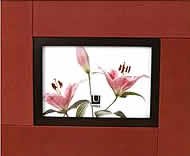
Wood Frames — The classic choice for traditional to contemporary. Endless variety in profiles, finishes, and woods. Nielsen Bainbridge and Larson-Juhl for professional quality; Roma Moulding for value.
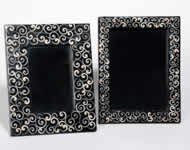
Acrylic Frames — Crystal-clear, shatter-resistant, modern. Creates a floating effect. Best for contemporary spaces and anywhere safety matters.

Metal Frames — Clean lines, never needs refinishing, perfect corners every time. Nielsen Alpha is the industry standard. Great for photography and contemporary art.
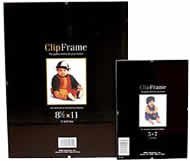
Clip Frames — No frame at all—just glazing and clips. Minimal, modern, budget-friendly. Good for rotating displays and temporary pieces.

Canvas Frames — Floater frames and gallery frames designed for stretched canvas. Shows off the dimensional quality of your painting without the frame touching the surface.
Shop Framing Supplies
Professional framing supplies for every application
Canvas Clips
by Ook

$3.91
ATG HD Dispenser
by Pro Tapes

$35.02
450-I Artist Elite Mat Cutter
by Logan Graphic Products

$349.98
Compact Mat Cutter
by Logan Graphic Products

$167.41
Woodworks frames
by Framatic

7
Versions of this item
From: $24.80
Linear Black Wood Photo Frames
by Malden

6
Versions of this item
From: $5.50
Mat Cutter Blades
by Logan Graphic Products

3
Versions of this item
From: $5.37
Metro Seamless Panel Frames
by Framatic

8
Versions of this item
From: $16.15


