


Glass and tile art isn't one thing—it's several related but distinct disciplines. Mosaic, stained glass, glass fusing, etching, and glass painting each require different skills, tools, and investments. Start by deciding what you actually want to make.

Glass & Tile Art Purchase Guide
Your first mosaic cracks six months after you finish it. The grout crumbles, tiles pop off, and that backsplash you spent forty hours on starts falling apart. Or worse—you mix incompatible glass in a kiln project and the whole thing shatters during cooling. These disasters happen constantly to beginners who didn't understand the materials.
Glass and tile art looks deceptively simple. You're just sticking pieces together, right? But the chemistry matters. The tools matter. The techniques that seem like unnecessary fussiness turn out to be the difference between work that lasts decades and work that self-destructs. The good news: once you understand the fundamentals, this is one of the most forgiving and satisfying art forms you can practice.
The Range of This Medium: You can make a mosaic trivet on your kitchen table this weekend with $30 in supplies—or spend years mastering stained glass techniques for architectural installations. Glass and tile art scales from beginner-friendly craft projects to museum-quality fine art. Start simple, go as deep as you want.
What's in This Guide
Choosing Your Path
The Five Main Techniques at a Glance
Each technique has a different learning curve and equipment requirement. Here's what you're signing up for:
Comparing the Techniques
What each approach requires and what it's used for
| Technique | Difficulty | What You Can Make | Essential Tools | Key Brands |
|---|---|---|---|---|
| Mosaic Art | Beginner-friendly (best starting point) | Wall art, backsplashes, garden pieces, furniture tops | Tile nippers, adhesive, grout, safety glasses | Wheeled Warriors, Mosaic Mercantile, Weldbond |
| Stained Glass | Intermediate (steeper learning curve) | Windows, panels, lamps, suncatchers | Glass cutter, soldering iron, copper foil or lead came | Spectrum Glass, Kokomo, Toyo cutters, Weller |
| Glass Etching | Beginner-friendly (easiest entry) | Personalized glassware, mirrors, signage | Etching cream, vinyl stencils, safety gear | Armour Etch, Silhouette (for cutting stencils) |
| Glass Painting | Beginner to intermediate | Decorated windows, ornaments, functional glassware | Glass paints, brushes, oven (for fired paints) | Pébéo Vitrea 160, Marabu Glass Paint |
| Fused Glass | Advanced (requires kiln investment) | Jewelry, tiles, sculptural pieces, architectural panels | Kiln ($500+), compatible glass, kiln furniture | Bullseye Glass, System 96, Paragon kilns |
What Space Do You Actually Need?
Your workspace requirements depend entirely on what you're making.
Small decorative projects (trivets, coasters, small wall pieces): Your kitchen table works fine. Basic hand tools, a container for scraps, and something to protect the surface. No special setup needed.
Medium art pieces (wall panels, backsplash sections, larger mosaics): You need a dedicated work surface—glass shards and grout dust get everywhere. Somewhere to store materials and tools between sessions. Ventilation if you're using adhesives with fumes.
Large installations (architectural panels, outdoor pieces, major commissions): Real studio space. Heavy-duty tables, material staging areas, room to step back and evaluate large pieces.
Kiln work (glass fusing, slumping): A dedicated kiln location with proper electrical (usually 240V for larger kilns), adequate ventilation, and fire-safe surroundings. This isn't something you set up in a bedroom.
Understanding Glass Types (This Matters for Kiln Work)
For cold work (mosaics, stained glass assembly), you can mix any glass types freely—they're not fusing together, just sitting side by side.
For kiln work, glass compatibility is critical. Different glasses expand and contract at different rates when heated and cooled. Mix incompatible glass, and it cracks—sometimes explosively—as it cools.
COE (Coefficient of Expansion): This number tells you what glass can be fused together. COE 90 (Bullseye Glass) and COE 96 (System 96) are the main systems. Never mix them in fired projects. Ever.
Stained glass varieties: Cathedral glass is transparent; opalescent is milky and translucent; iridescent has that rainbow surface sheen. All work for cold assembly.
Recycled glass: Works great for mosaics. Eco-friendly, interesting textures, usually more affordable. Just don't assume you can fire it.
Frequently Asked Questions
What tools do I need to start making mosaics?
For your first project with pre-cut tiles: Weldbond adhesive, grout (Mapei is reliable), a grout float, sponges, and safety glasses. That's it—maybe $30-40 total. If you want to cut custom shapes, add quality tile nippers (Wheeled Warriors or Mosaic Mercantile wheel-head, $25-40). Don't buy a bunch of specialized tools until you know you'll use them.
Can a beginner learn stained glass?
Yes, but expect a steeper learning curve than mosaics. The copper foil technique is more accessible than lead came. Start with simple geometric patterns—curves are harder to cut. Invest in a quality glass cutter (Toyo, $15-25) from the beginning; cheap cutters make everything harder. Take a class if you can—seeing the techniques demonstrated saves a lot of frustration.
What's the difference between etching cream and sandblasting?
Etching cream (Armour Etch) creates uniform, shallow frosting—easy and safe for home use. Apply, wait 5 minutes, rinse. Sandblasting creates deeper, more textured effects with dramatic possibilities but requires a compressor, blast cabinet, and safety equipment. Start with cream etching; move to sandblasting later if you want those effects.
Can I mix different types of glass?
For cold work (mosaics, traditional stained glass assembly)—yes, mix anything. The pieces aren't fusing together. For kiln work—absolutely not unless the COE numbers match. Bullseye Glass (COE 90) and System 96 (COE 96) cannot be combined in fired projects. The piece will crack during cooling, sometimes explosively.
How do I choose grout color?
Grout color changes everything about how a mosaic looks. Light grout (white, cream) makes individual tiles pop and creates crisp definition. Dark grout (charcoal, black) unifies the design and makes grout lines recede. Always test on a small area first—you can't easily change grout color once it's applied. When in doubt, neutral gray works with most palettes.
What safety precautions are essential?
Safety glasses when cutting—glass shards fly unpredictably. Cut-resistant gloves when handling large pieces. Ventilation when soldering (lead fumes) or using etching chemicals. Never eat or drink in your workspace. Keep a first aid kit nearby. Learn proper disposal methods—glass shards in regular trash can injure sanitation workers.
How much does it cost to get started?
Mosaics: $50-100 gets you started with basic tools and materials for small projects. Stained glass: $150-300 for basic copper foil setup. Glass etching: $20-40 for cream etching supplies. Glass fusing: $600+ minimum for a small kiln plus materials. Start with the less expensive techniques to see if you enjoy the medium.
💡 Pro Tip:
Buy Real Tools: A $5 glass cutter from a craft store will make you hate this art form. It won't score properly, breaks unpredictably, and wastes expensive glass. A Toyo or Silberschnitt cutter costs $15-25 and works beautifully for years. Same with tile nippers—Wheeled Warriors or Mosaic Mercantile wheel-head nippers make clean cuts that cheap nippers can't match. Your first project isn't the place to save $20.
The Main Techniques (And What They Require)
Glass and tile art splits into several distinct techniques, each with different skill requirements, tools, and applications. Here's what you're actually getting into.
Mosaic Art (The Best Starting Point)
Mosaics are the most accessible entry into glass and tile art. You're arranging small pieces (tesserae) into larger patterns or images—like painting with fragments instead of pigment.
What you can use as tesserae:
Glass tiles: Vitreous glass (the standard mosaic tile), smalti (handmade Italian glass, beautiful but expensive), recycled glass pieces.
Ceramic: Glazed or unglazed, porcelain, broken dishes (yes, really—it's called pique assiette).
Stone: Marble, travertine, slate, tumbled stone. More subtle color palette but gorgeous texture.
Mixed media: Mirror pieces, metal, shells, found objects. Anything flat-ish that can be glued and grouted.
Where to buy: Mosaic Mercantile has the most comprehensive selection. Delphi Glass covers both stained glass and mosaic supplies. Hakatai specializes in specialty tiles.
Mosaic Tools (What You Actually Need)
Your tool requirements depend on whether you're using pre-cut tiles or cutting your own shapes.
Cutting tools (if cutting your own):
Tile nippers: Wheeled Warriors or Mosaic Mercantile wheel-head nippers are the standards. Much better than the cheap compound nippers. You'll feel the difference immediately.
Glass cutters: Toyo Custom-Grip or Silberschnitt oil-filled cutters for scoring larger glass. Running pliers for clean breaks along the score line.
Installation materials:
Adhesive: Weldbond PVA for indoor projects (versatile, dries clear). TEC or thinset mortar for outdoor/wet applications. Epoxy for maximum strength.
Grout: Mapei Keracolor or Custom Building Products. Sanded grout for joints wider than 1/8 inch, unsanded for narrower. Color choice dramatically affects the final look—test first.
Application tools: Trowels, grout floats, sponges, and lots of rags for cleanup.
Safety gear: Safety glasses (non-negotiable when cutting), cut-resistant gloves for handling large pieces, dust mask when mixing grout.
Stained Glass (Beautiful But More Demanding)
Stained glass is harder than mosaics. You're cutting precise shapes, wrapping them in metal (copper foil or lead came), and soldering them together. The results are stunning—luminous panels that transform with changing light. But expect a learning curve.
Two main construction methods:
Copper foil (Tiffany method): Wrap each glass piece in copper foil tape, then solder the foiled edges together. Better for detailed work, smaller pieces, three-dimensional forms. What most beginners start with.
Lead came: Traditional method using H-shaped lead channels to hold glass pieces. Stronger for larger panels, classic look, architectural applications. Requires working with lead (see safety warning).
Essential materials:
Glass: Spectrum Glass, Kokomo Opalescent, and Wissmach are the major art glass manufacturers. Start with something not too expensive while you're learning to cut.
Foil and came: Venture Tape copper foil is the standard. Capeway makes quality lead came.
Soldering: Weller soldering stations (60/40 solder for lead work, lead-free for safer applications), Ruby Fluid flux.
⚠️ Important:
Lead Is Toxic (Yes, Really): Traditional stained glass uses lead came and lead-based solder. This is actual lead. It accumulates in your body. Always work in ventilated space, never eat or drink in your workspace, wash hands immediately after handling lead materials, and don't let kids near your work area. For children's projects or anything touching food, use lead-free alternatives only. This isn't being overcautious—it's basic safety.
Glass Etching (Easiest Entry Point)
Glass etching creates frosted, matte effects on glass surfaces. It's probably the easiest glass technique to start with—you can make personalized glassware in an afternoon.
Methods:
Cream etching (Armour Etch): Apply cream, wait 5 minutes, rinse off. Creates uniform shallow frosting. Safe enough for home use with basic precautions. Best for decorative projects.
Sandblasting: Blasts abrasive particles at glass for deeper, more dramatic effects. Allows texture variation and dimensional depth. Requires specialized equipment (compressor, blast cabinet) and serious safety measures.
Rotary tool etching: Diamond bits on a Dremel-type tool. Good for fine detail and text. Takes practice to get smooth results.
Creating patterns:
Use vinyl stencils (cut by machine or by hand), contact paper, or photoresist film to mask areas you want to stay clear. Wherever the resist covers, the glass stays transparent. Everything exposed gets frosted.
Glass Painting (Adding Color Without Cutting)
Glass painting adds color and imagery to glass surfaces—think of it like painting, but on a transparent surface that light passes through.
Paint types:
Fired paints (Pébéo Vitrea 160): Apply paint, bake in home oven, becomes permanent and dishwasher-safe. The most durable option for functional items.
Air-dry paints (Marabu Glass Paint, DecoArt Glass Stain): No baking required—just cure for several days. Less durable than fired paints but simpler process.
Glass markers: Pebeo Setacolor and Marabu Glass Painter pens for detail work and line drawing. Like permanent markers formulated for glass.
Application approaches:
Brush techniques work like traditional painting but require practice on slick glass surfaces. Sponge effects create interesting textures. Stencils give precise, repeatable patterns. Freehand painting lets you create anything you can imagine.
Traditional techniques: Grisaille and silver stain are centuries-old cathedral techniques still used for restoration and fine art. Advanced territory.
Waste Not, Want Not
Glass scraps are treasure, not trash. Save every piece—those "useless" offcuts become tesserae for mosaics, filler for grout lines, or material for small projects. Many glass studios accept scrap glass for recycling back into new sheets. Recycled glass tiles are available from many suppliers and work just as well as virgin materials. And properly made glass art lasts essentially forever—the ultimate sustainability.
Glass Fusing (Kiln Territory)
Glass fusing uses controlled heat to melt glass pieces together, creating unified panels, jewelry, and sculptural elements. This is where glass art gets expensive—you need a kiln.
The COE compatibility issue (critical):
Different glasses have different coefficients of expansion (COE). Bullseye Glass is COE 90. System 96 is COE 96. These numbers must match in any piece you're fusing together. Mix them, and internal stresses will crack the piece during cooling—sometimes dramatically.
Kiln options:
Small kilns (Paragon SC-2): About $500-800. Good for jewelry, small tiles, learning. Runs on standard household 120V.
Medium kilns (Paragon GL22): $1,500-2,500. Panel work, production pieces. Usually requires 240V electrical.
Large kilns: $3,000+. Architectural work, major installations. Definitely needs dedicated electrical and space planning.
Beyond the kiln: You'll need kiln wash, fiber paper, shelves, posts, and kiln furniture. And patience—firing cycles take hours, and you can't rush them.
Installation for Permanent Pieces
Getting your finished work onto a wall, into a window frame, or installed outdoors requires understanding how glass behaves in real-world conditions.
Indoor installation:
Adhesive mounting works for most decorative panels. Use structural silicones rated for glass. Mechanical fastening (clips, channels) provides security for heavier pieces.
Outdoor installation (different challenges):
Weather resistance: Freeze-thaw cycles crack poorly installed mosaics. Use exterior-rated adhesives and grouts. Leave expansion room—glass and substrate expand at different rates.
UV stability: Some glass colors fade in direct sunlight over years. Some adhesives degrade. Use UV-stable materials for outdoor work.
Building codes: Architectural glass installations may need safety glazing (tempered or laminated) to meet building codes. Large panels typically need professional structural assessment.
Planning Your Projects
Complex glass projects benefit from planning before you start cutting.
Specialized software: Glass Eye 2000 is designed specifically for stained glass pattern making. Pattern Shaper Pro works for both stained glass and mosaics. These handle the unique requirements of glass design—piece numbering, cutting order, material estimation.
General design tools: Photoshop and Illustrator work for pattern development. SketchUp helps visualize architectural installations. Even simple apps can generate color palettes and mosaic designs.
The old-fashioned way: Pencil, graph paper, and colored pencils still work perfectly for many projects. Don't overcomplicate simple designs.
Estimating Materials (Buy More Than You Think)
Running out of a specific glass color halfway through a project is miserable. Order enough the first time.
Glass coverage: Plan for 15-25% cutting waste. More for complex shapes, less for simple rectangles. Beginners should lean toward 25%—you'll break more pieces while learning.
Grout quantities: Deeper joints need more grout. Wider joints need much more. The coverage charts on grout bags assume standard tile—glass mosaic with varied joint widths uses more.
Adhesive needs: Thicker tiles need more adhesive. Uneven substrates need more. Butter both surfaces for critical applications.
Consumables: Budget for blade replacements, abrasive pads, sponges. These add up over a project.
The Real Success Formula: Plan first, rush never. Glass work cannot be undone—once you cut wrong, glue wrong, or grout wrong, you're starting over. A complex mosaic takes 2-3 times longer than you think. Build in time for mistakes, because you will make them. Patience isn't optional here; it's a technical requirement.
Essential Supplies
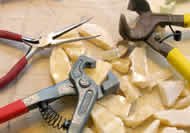
Cutting Tools — Quality matters here. Wheeled Warriors nippers and Toyo glass cutters make clean cuts that cheap tools can't match. Worth the investment from day one.

Tiles and Tesserae — The building blocks. Vitreous glass tiles, ceramic pieces, smalti, natural stone—each offers different textures, colors, and effects.
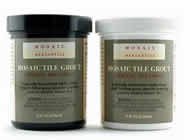
Adhesives and Grout — What holds it together and fills the gaps. Weldbond for indoor work, thinset for outdoor. Grout color changes everything about the final look.

Etching Materials — Create frosted effects on any glass surface. Armour Etch cream plus vinyl stencils—that's all you need to personalize glassware or make custom mirrors.
Shop Glass-And-Tile-Art Supplies
Professional glass-and-tile-art supplies for every application
1 in. Running Pliers
by Diamond Tech

$15.27
Vitrail Cerne Relief
by Pebeo

8
Versions of this item
From: $6.79
Mosaic Art Sanded Grout
by Jennifer's Mosaics

4
Versions of this item
From: $7.04
Tile Grout
by Mosaic Mercantile

1
Versions of this item
From: $7.40
Premium Stepping Stone Mix
by Milestones

$7.24
Vitrail Accessories
by Pebeo

2
Versions of this item
From: $4.60
Rainbow Mosaic
by Creativity For Kids

$13.00
Self Adhesive Lead Strip
by Pebeo

$30.72


