Purchase Guide: Safety & Cleaning

Safety & Cleaning Purchase Guide

Safety & Cleaning Purchase Guide

Here's what nobody tells you when you start making art: some of the materials you're working with can hurt you. Not dramatically—you're not going to keel over from using oil paints. But that headache after a long painting session? The skin rash that appeared after working with resin? The studio fire that started from a pile of linseed oil rags? These things happen, and they're largely preventable. Art safety isn't about paranoia—it's about understanding what you're working with and taking sensible precautions so you can keep making art for decades without health consequences catching up with you.

⚠️ Important:

The Real Risk: Most art materials won't harm you with casual use. The problems come from repeated exposure over time without precautions—years of breathing solvent fumes, daily contact with certain pigments, chronic dust inhalation. Professional artists who work with materials all day every day need to take this seriously. Weekend painters less so, but smart habits now prevent problems later.

What's in This Guide

Reading Safety Labels (What AP and CL Actually Mean)

Look for the ACMI seal on art materials—it's the quickest way to know what you're dealing with. The Art and Creative Materials Institute tests products and assigns them one of two ratings:

AP (Approved Product): Certified non-toxic. Safe for children, safe for adults who can't read safety labels, safe for general use. These products have been evaluated by toxicologists and contain nothing in quantities sufficient to cause harm. Most children's art supplies carry this seal, as do many professional materials.

CL (Cautionary Labeling): Contains something that requires care. Not dangerous if you follow the directions, but you need to actually read and follow those directions. Never give CL products to children in grade 6 or below. These appear on maybe 15% of adult art materials—certain professional-grade pigments, some solvents, specialty products.

If a product doesn't have either seal, look for "Conforms to ASTM D 4236"—that means it meets federal labeling requirements for chronic toxicity. Products without any safety certification should be treated with extra caution, especially imports that may not meet U.S. standards.

The Truth About Toxic Pigments (Cadmium, Cobalt, and Friends)

Artists have worried about cadmium pigments for decades, and here's what the science actually says: modern cadmium paints are far safer than their reputation suggests.

How Cadmium Works Now: During manufacturing, cadmium is compounded with sulfur (and selenium for reds) and coated in binder. This process renders the cadmium largely insoluble in the human body. American paint manufacturers have developed production systems yielding cadmium pigments so insoluble that many don't even require health warning labels for ingestion. Gamblin's cadmium colors, for instance, don't require ASTM health-warning labels because the bioavailable cadmium is roughly 5 parts per million—down from about 1,000 ppm decades ago.

The Real Risks: Cadmium paints are safe for normal brush application. The danger comes from inhalation—making your own paint from dry pigment, spraying cadmium colors, or sanding dried cadmium paint. Don't do those things without respiratory protection. Skin absorption isn't a significant concern with modern formulations.

Other Pigments to Know: Cobalt pigments can cause allergic reactions in some people (skin contact). Chrome yellows contain lead chromate—mostly replaced now, but still in some professional lines. Manganese pigments can affect the nervous system with heavy exposure. None of these are dangerous with normal use; all require care with dry pigment or spray application.

California Prop 65 Warnings: You'll see these on many professional art materials. Prop 65 requires warnings for any amount of listed chemicals, even trace levels that pose no actual risk. A product with a Prop 65 warning isn't necessarily more dangerous than one without—California just has stricter labeling requirements.

💡 Pro Tip:

Practical Pigment Safety: Don't eat while painting. Wash your hands before eating. Don't spray cadmium or cobalt colors without respiratory protection. Don't sand dried paint without a dust mask. Don't make your own paint from dry pigments without proper equipment. Follow these rules and professional pigments are genuinely safe for studio use.

Solvents: What's Actually Dangerous and What Isn't

Solvents cause more health problems for artists than pigments do—headaches, dizziness, skin reactions, respiratory irritation. But not all solvents are equally hazardous, and there are genuinely safer alternatives that actually work.

Traditional Turpentine: Strong solvent power but high toxicity. Causes kidney damage and respiratory problems with chronic exposure. Strong odor is a warning sign, but odor isn't a reliable safety indicator—some harmful chemicals barely smell at all.

Regular Mineral Spirits (White Spirit): Petroleum-derived, less toxic than turpentine but still problematic with prolonged exposure. Can cause contact dermatitis with regular use. Aromatic compounds are the most harmful component.

Odorless Mineral Spirits (Gamsol, Sansodor, etc.): Refined to remove aromatic solvents—the most harmful components. Gamsol has had nearly all aromatic solvents removed (less than 0.005% remains). Slower evaporation rate reduces inhalation risk. This is genuinely safer, not just marketing. The catch: lack of odor doesn't mean lack of fumes. You still need ventilation; you just can't smell when you're overexposed.

Citrus-Based Solvents: Derived from orange oil (d-limonene). Less toxic than petroleum solvents but not non-toxic. Some people find them irritating. Slower drying, different solvent action.

Solvent-Free Options: Gamblin Solvent-Free Gel and Solvent-Free Fluid contain no solvents—made with safflower oil and alkyd resin. You can paint in oils without ever using solvents if you clean brushes with oil or soap instead.

The Fire Hazard Nobody Warned You About (Linseed Oil Rags)

This is genuinely dangerous and poorly understood: rags soaked in linseed oil can spontaneously combust. Not theoretically—actually catch fire with no external ignition source. Studios have burned down. People have died.

Why It Happens: Linseed oil dries through oxidation, not evaporation. This oxidation generates heat. On a thin layer (like on a painting), the heat dissipates harmlessly. But in a pile of rags, the fabric insulates and heat builds up. The bigger the pile, the greater the heat. Temperature can reach ignition point—around 120°F—in as little as three hours.

What Products Are Affected: Any product containing linseed oil—not just straight linseed oil. This includes Danish oil, boiled linseed oil, many wood finishes, oil-based stains, and some painting mediums. Tung oil is less prone to spontaneous combustion but should be treated with the same caution.

What's NOT Affected: Petroleum-based products (motor oil, mineral spirits) don't spontaneously combust—they don't oxidize the same way. Varnishes don't spontaneously combust either.

Safe Disposal: Never pile linseed-oily rags in a closed container or trash can. Either spread them flat outdoors to dry completely (when stiff, they're safe), or submerge in water in a metal container with a tight-fitting lid. Metal oily waste cans (Justrite is the standard brand) are designed specifically for this—the lid limits oxygen so combustion can't sustain.

⚠️ Important:

This Is Not Theoretical: A Wisconsin woodworking shop burned down from linseed oil rags left in a cardboard box—ignition in three hours. A family in Connecticut died when Watco-soaked rags in a trash can ignited overnight. Treat any rag with linseed oil, Danish oil, or oil-based stain as a fire hazard until proven otherwise.

Dust Hazards: Pastels, Charcoal, and What to Actually Worry About

Pastel safety is controversial—opinions range from complete unconcern to dire warnings. Here's what the evidence actually shows.

The Science: Duke University Medical Center studied pastel dust exposure in working artists. Their conclusion: exposures to pastel dust are low, and the risk of adverse effects is correspondingly low. The average pastel artist in their study had worked with pastels for 18 years without health correlations. They found potentially harmful chemicals (at very low levels, well under safe limits) in only two of 1,159 pastel colors tested.

The Practical Concern: The main hazard is inhalation, not skin contact. Pastel particles are fine enough to reach the respiratory system. Some pastels contain cadmium or cobalt pigments. Blowing dust off your work (which everyone does instinctively) is the primary exposure route.

Sensible Precautions: Don't blow on your pastels—tap the work to dislodge loose dust, or take it outside. Work vertically so dust falls down rather than hovering at face level. Clean up with damp methods rather than dry sweeping. If you work with pastels daily for hours, consider a dust mask (N95 minimum) and air filtration.

Charcoal: Considered a "nuisance dust"—not toxic but can cause mechanical irritation and clogging in large amounts. Same precautions apply: don't blow, clean damp, ventilate.

Resin Art Safety (It's More Serious Than Instagram Shows)

Watch resin art videos and you'll see artists working barehanded, no masks, in their kitchens. This is genuinely unsafe. Epoxy resin is a real chemical process with real health implications.

What Happens During Curing: When resin and hardener mix, they undergo an exothermic chemical reaction—they heat up and release fumes. Even "low-VOC" and "non-toxic" formulations emit vapors during curing. These vapors can cause respiratory irritation, headaches, nausea, and allergic sensitization.

Sensitization Is Cumulative: You might work with resin for months or years with no problems, then suddenly develop an allergy. Once sensitized, you may react to all epoxy resins indefinitely. This is why protection matters even when you feel fine.

Required Protection: Nitrile gloves (not latex—epoxy can penetrate latex). Safety glasses or goggles. In enclosed spaces, a respirator with organic vapor cartridges. When sanding cured resin, always wear respiratory protection—partially cured resin dust significantly increases sensitization risk.

Ventilation: Opening a window isn't necessarily adequate. Air needs to actually circulate and exit the space. If you can't achieve good ventilation, wear a respirator regardless of product claims.

Choosing the Right Respirator

Masks and respirators aren't interchangeable. The type you need depends on what you're protecting against.

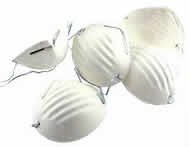
Dust Masks (N95): Filter particles—pastel dust, charcoal, sanding dust, spray overspray. Won't protect against vapors or fumes. The 3M 8210 is the standard. Good for dry media and basic protection. Won't help with solvent fumes.

Half-Face Respirators with Cartridges: The 3M 6200 series is the artist standard. Accepts different cartridges for different hazards: P100 filters for maximum particulate protection; organic vapor cartridges for solvents, varnishes, and resin; acid gas cartridges for printmaking; combination cartridges for complex exposures.

Full-Face Respirators: 3M 6800 and similar provide eye protection along with respiratory protection. Necessary for serious chemical splash hazards—printmaking acids, heavy spray work.

Cartridge Replacement: Cartridges don't last forever. Replace P100 filters when breathing becomes difficult. Replace organic vapor cartridges when you start smelling the chemicals—the breakthrough has occurred.

Which Respirator for Which Hazard

What You're Doing The Hazard Minimum Protection Better Protection
Working with pastels or charcoal Fine dust N95 dust mask Half-face with P100
Oil painting with OMS Solvent vapors Good ventilation Organic vapor cartridge
Spray painting or airbrushing Particles + vapors Half-face with combo cartridge Full-face respirator
Working with resin VOCs during cure Ventilation + OV cartridge OV + particulate for sanding
Printmaking with acids Acid fumes + splash Full-face with acid gas cartridge Supplied air for heavy use
Sanding dried paint or resin Particulate N95 minimum P100 for extended work

Glove Selection (Not All Gloves Protect Against All Things)

Protective gloves have different chemical resistances. Using the wrong type gives false confidence while providing little actual protection.

Nitrile: The default for most art applications. Good resistance to oils, solvents, and most art chemicals. Won't cause latex allergies. Ansell TouchNTuff and Showa 7700PF are quality options. Use for oil painting, resin work, printmaking, general protection.

Latex: Good dexterity but limited chemical protection and common allergies. Epoxy can penetrate latex. Not recommended for serious chemical work.

Vinyl: Economical basic protection for water-based materials. Not chemically resistant. Fine for acrylics and watercolors; inadequate for solvents or resin.

Neoprene: Better acid resistance than nitrile. Ansell AlphaTec for printmaking with ferric chloride or Edinburgh Etch solutions.

Butyl Rubber: Maximum chemical resistance for ketones, esters, strong acids. Overkill for most art applications but necessary for some industrial processes.

Breakthrough Time: All gloves have limited protection duration. Chemicals eventually penetrate. Check manufacturer specifications for your specific chemicals, and replace gloves regularly—don't wait until they fail.

Aprons, Coveralls, and Protective Clothing

Protective clothing serves two purposes: keeping art materials off your regular clothes (convenience) and preventing skin exposure to hazardous materials (safety).

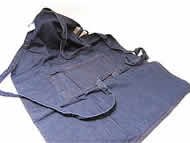
Canvas Aprons: Traditional studio aprons. Protect clothes from paint splatters. Not chemically resistant—adequate for acrylics and oils, not for solvents or acids that might soak through.

Chemical-Resistant Aprons: PVC or neoprene. Necessary for printmaking, heavy solvent use, acid work. Won't let chemicals soak through to clothing underneath.

Disposable Coveralls: DuPont Tyvek is the standard. Use for spray work, contamination control, any situation where you want to contain exposure and then discard the outer layer.

Lab Coats: Comfortable for general studio work. Professional appearance. Easy on/off. Not maximum protection but adequate for most situations.

Eye Protection

Safety glasses and goggles protect against splashes, particles, and UV exposure. Look for ANSI Z87.1 certification—that's the safety standard.

Safety Glasses: 3M SecureFit, Uvex Genesis. Impact resistance, comfortable for extended wear. Adequate for most studio work. Don't seal around the face—not adequate for chemical splash.

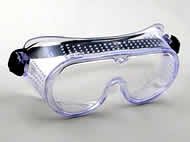
Chemical Splash Goggles: Uvex Stealth, 3M 2890. Full seal around the eyes. Necessary when working with acids, concentrated solvents, anything that might splash.

Face Shields: Full face coverage. Use over safety glasses, not instead of them. For grinding, heavy chemical work, maximum splash protection.

Studio Ventilation (It's More Than Opening a Window)

Proper ventilation removes hazardous vapors and particles from your breathing zone. "Well-ventilated" doesn't mean "there's a window in the room."

What Adequate Ventilation Actually Means: Air entering the space and exiting somewhere else, creating flow. A target of 6-12 air changes per hour for general art studios. If you can smell solvents while working, your ventilation is inadequate.

Local Exhaust: Best for point sources. Spray booths extract overspray directly at the source. Fume hoods for chemical mixing.

General Dilution: Fans, open windows creating cross-breeze, HVAC systems. Works for low-level exposures across the whole space.

Air Filtration: HEPA filters remove particulates (dust, spray). Activated carbon filters remove vapors and odors (solvents). Combination units address both. Useful supplement to ventilation but not a replacement for air exchange.

The Basic Test: Can you smell your materials? Then you're breathing them. Either improve ventilation or add respiratory protection.

Cleaning Your Studio and Tools

Art materials require specific cleaning products. Generic household cleaners may damage tools or react badly with art chemicals.

Brush Cleaners: Speedball Pink Soap is the classic for water-based media and general brush care. General's Hand Cleaner works for hands and brushes. Winsor & Newton Brush Restorer can resurrect dried brushes. For oils, clean with odorless mineral spirits first, then soap.

Hand Cleaners: Specialized art hand cleaners are formulated to remove pigments and media without harsh scrubbing. Barrier creams applied before working make cleanup easier.

Cleaning Cloths: Lint-free cloths for precision cleaning. Paper towels for general cleanup. Remember: rags with linseed oil are fire hazards.

What Not to Mix: Don't mix household cleaners with art materials—chemical reactions can produce toxic fumes. Don't use bleach near most art chemicals.

Disposing of Art Materials Safely

Improper disposal harms the environment and can be illegal. Here's how to handle common art waste.

Solvents: Never pour down the drain. Allow to evaporate in a well-ventilated outdoor area, or collect for hazardous waste disposal. Paint thinner can be reused—let solids settle, pour off the clean solvent.

Paints: Water-based paints can generally go in regular trash once dried completely. Oil paints should be allowed to dry (small amounts) or collected for hazardous waste.

Oily Rags: Dry flat outdoors until stiff, then dispose in regular trash. Or submerge in water in sealed metal container for hazardous waste. Never put in regular trash while damp with linseed oil.

Resin: Fully cured resin is inert and can go in regular trash. Uncured resin is hazardous waste—let it cure first or dispose through hazardous waste collection.

Greener Art Practice: The safest materials are often the most environmentally friendly. Water-based paints require less solvent. Citrus cleaners biodegrade better than petroleum solvents. Using less solvent overall—switching to solvent-free mediums, cleaning brushes with oil then soap—reduces both health exposure and environmental impact. Brands like Eco-House and Real Milk Paint specialize in safer formulations.

Artwork Conservation and Restoration

Conservation supplies maintain and restore artwork. These are specialized materials requiring care in handling.

Surface Cleaners: pH-neutral formulations for safely cleaning artwork without damaging original surfaces.

Consolidants: Strengthen flaking or powdering paint. Applied to stabilize deteriorating surfaces before further treatment.

Varnish Removers: Solvents that selectively remove old varnish without damaging paint layers. Require careful testing and ventilation.

When to Call a Professional: Valuable artwork, significant damage, historical pieces—these require trained conservators. Amateur restoration attempts often cause irreversible damage.

Emergency Preparedness

Studios should be prepared for chemical spills, fires, and injuries. Having equipment accessible before emergencies occur prevents panic and reduces harm.

Eyewash: If you work with any splashing chemicals, eyewash capability is essential. Flush for 15 minutes if chemicals contact eyes.

First Aid: Basic first aid supplies for cuts, minor burns, skin contact with irritants. Keep updated and accessible.

Fire Extinguisher: Class ABC extinguisher covers most studio fires—paper, wood, flammable liquids, electrical. Know where it is and how to use it.

Spill Containment: Absorbent materials (kitty litter works), neutralizing agents (baking soda for acids), containment dikes for large spills.

Safety Data Sheets: Keep SDS documents for all hazardous materials accessible. These contain specific emergency procedures, first aid, and exposure information.

⚠️ Important:

Emergency Contacts: Poison Control: 1-800-222-1222 (24/7). Have this posted in your studio. They have access to formulation information for ACMI-certified products and can provide immediate guidance for exposures. For chemical splashes in eyes, flush for 15 minutes then seek medical attention.

Basic Safety Kit Under $50: 3M 8210 N95 masks (10-pack) + box of nitrile gloves + safety glasses + hand cleaner = essential protection for most studio work. Add a half-face respirator with organic vapor cartridges if you use solvents regularly. This small investment protects you for years.

Frequently Asked Questions

Are cadmium paints actually dangerous?

Modern cadmium paints are safe for normal brush application. The cadmium is compounded with sulfur and rendered largely insoluble in the body. Bioavailable cadmium in quality paints is now around 5 parts per million—down from 1,000 ppm decades ago. The danger comes from inhalation: don't spray cadmium colors, don't sand dried cadmium paint, and don't make paint from dry cadmium pigment without respiratory protection. For regular painting, wash your hands before eating and you're fine.

Do I need a respirator for oil painting?

Depends on your solvents and ventilation. With odorless mineral spirits (Gamsol) in a well-ventilated space, most people work safely without respirators. With traditional turpentine, in a closed room, or for extended sessions, a respirator with organic vapor cartridges is wise. If you can smell your solvents, you're breathing them—either improve ventilation or add respiratory protection.

Can linseed oil rags really catch fire on their own?

Yes. This is documented and kills people. Linseed oil oxidizes to dry, generating heat. In a pile of rags, the fabric insulates and temperature builds. Ignition can occur in as little as three hours. Any product containing linseed oil (Danish oil, many stains, some painting mediums) presents this risk. Either spread rags flat to dry completely outdoors, or submerge in water in a metal container. Never pile oily rags in a closed trash can.

Is epoxy resin really that dangerous?

It's not immediately dangerous, but it demands respect. The main issue is sensitization—you can develop an allergy after months or years of exposure with no symptoms, then suddenly react to all epoxy products indefinitely. Sanding partially cured resin is particularly risky. Wear nitrile gloves (not latex, which epoxy penetrates), work in ventilated space, wear a respirator in enclosed areas.

Are pastels safe to use?

For most people, yes—with sensible precautions. Duke University studies found pastel dust exposure is low and risks correspondingly low. Average study participants had used pastels 18 years without health problems. But don't blow on your work (tap it instead), work vertically so dust falls, clean with damp methods, and if you work many hours daily, consider a dust mask and air filtration.

What's the difference between N95, P100, and organic vapor cartridges?

N95 and P100 are particulate filters—they block dust, spray overspray, and similar particles. P100 filters 99.97% of particles; N95 filters 95%. Neither protects against chemical vapors. Organic vapor cartridges contain activated carbon that absorbs solvent fumes—use for turpentine, mineral spirits, varnishes, resin fumes. Match your filter to your hazard.

How do I dispose of art solvents safely?

Never pour down the drain—solvents contaminate water supplies. Let small amounts evaporate in a well-ventilated outdoor area. Collect larger amounts for hazardous waste disposal (most communities have collection days). Dirty mineral spirits can be reused: let solids settle, pour off clean solvent.

Do I really need chemical splash goggles, or are safety glasses enough?

Safety glasses are fine for most studio work—impact protection, dust, general splashes. Chemical splash goggles (the kind that seal around your face) are necessary when working with acids, concentrated solvents, or anything that might splash and run into your eyes.

What should I do if I get resin on my skin?

Remove it promptly with soap and water or a hand cleaner designed for resin. Don't use solvents on your skin—they can drive chemicals deeper and cause irritation. If you notice redness, itching, or swelling after resin contact, you may be developing sensitivity. Take a break from resin and consult a doctor if symptoms persist.

Is there anything actually wrong with smelling solvents if I feel fine?

Yes. The damage from solvent exposure is often chronic—it accumulates over time. You might feel fine today while creating conditions for kidney problems, respiratory issues, or neurological effects years later. If you can smell solvents, you're breathing them. Either that's a level of exposure you've consciously accepted with proper ventilation, or you need to change your setup.

Safety Goggles

Safety Goggles — Chemical splash goggles seal around your eyes, preventing acids, solvents, and resin from reaching your eyes. Look for ANSI Z87.1 certification. Uvex Stealth and 3M 2890 are professional standards.

Respiratory Protection

Respirators — N95 masks block particles; organic vapor cartridges block solvent fumes. The 3M 6200 half-face respirator accepts interchangeable cartridges for different hazards. Match your protection to your materials.

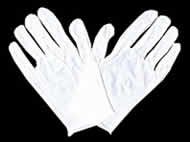
Protective Gloves

Nitrile Gloves — The default for chemical protection. Unlike latex, nitrile resists solvents and won't trigger latex allergies. Epoxy can penetrate latex gloves; it won't penetrate nitrile.

Protective Aprons

Protective Aprons — Canvas aprons keep paint off your clothes. Chemical-resistant aprons (PVC, neoprene) prevent acids and solvents from soaking through. For spray work, Tyvek coveralls contain the mess.