Purchase Guide: Art Storage & Organization

Storage Purchase Guide

Storage Purchase Guide

Nobody sets out to collect art supplies they can't find. Yet somehow, every artist ends up there eventually—tubes rolling around a drawer, brushes jammed into cups, paper curling in forgotten stacks. The irony is that proper storage isn't really about organization. It's about protection. That expensive watercolor paper warps because it wasn't stored flat. Those kolinsky sables splayed because they dried standing on their tips. The oil paint skinned over because it sat exposed to air. Good storage solves problems you didn't know you were creating.

This guide focuses on what actually matters: keeping materials in usable condition and finding them when you need them. Some solutions cost money. Others just require understanding what each material actually needs.

The Real Cost of Poor Storage: Most artists spend far more replacing prematurely ruined materials than they would on proper storage. A $15 brush roll protects $200 worth of sables. An acid-free box saves irreplaceable artwork. Storage pays for itself in what it prevents.

In This Guide

Where to Start When Everything's a Mess

If you're staring at a chaotic pile of supplies wondering where to begin, here's a practical framework: organize by how often you use things, not by what they are.

Your most-used supplies—the brushes, paints, and tools you reach for daily—need to be within arm's reach of where you work. Desktop caddies and simple holders work fine here. Nothing fancy required. The point is access, not display.

Supplies you use weekly or for specific projects can live in drawers, storage boxes, or shelving within walking distance. These need protection from dust but quick retrieval.

Materials you rarely touch—specialty papers, backup supplies, finished work—need proper protection but don't require convenient access. This is where flat files and archival storage make sense.

Start with the daily-use zone. Get that functional first. Everything else can wait.

Brush Storage: What Actually Protects Them

Brush storage is less about organization and more about preventing the specific ways brushes get ruined. Understanding these failure modes tells you exactly what to do—and what to avoid.

Brush storage systems exist because brushes are precision tools that lose their performance when mistreated. Here's what actually matters:

Never store brushes wet and upright: Water wicks down through the ferrule (the metal band), soaks into the handle, and loosens the glue holding everything together. Dry brushes flat or hang them tip-down until completely dry. Only then can they stand upright.

Never store brushes resting on their tips: This permanently bends the hairs or bristles. The shape won't fully recover.

Natural hair brushes need moth protection: Kolinsky sable, squirrel, and other natural hairs are exactly what moths like to eat. For long-term storage, include a moth deterrent and store in breathable containers—canvas rolls or wooden boxes, not sealed plastic.

Don't store with residual paint: Even trace amounts of dried paint near the ferrule will gradually push hairs apart, ruining the point. Clean thoroughly before storage.

For daily use, simple ceramic or bamboo holders work fine for dry brushes waiting between sessions. For transport or long-term storage, canvas or leather brush rolls protect tips while allowing air circulation.

Paint Storage by Medium: Each Has Different Enemies

Different paints fail in different ways. Paint storage solutions work by addressing whatever threatens each specific medium.

Oil Paints: Fighting Oxidation

Oil paint dries by oxidation—reacting with oxygen in the air. The enemy is air exposure. Tube paints store reasonably well in their original tubes if you wipe the threads clean before recapping. Some artists store tubes upside down (pigment settles to the cap, oil rises to the crimp end) to prevent dried plugs at the opening.

The real challenge is palette paint. Several methods work:

Clove oil vapor: Place a cotton ball with a few drops of clove oil inside a sealed container with your palette—not touching the paint. The eugenol slows oxidation without altering the paint's consistency. Strong smell, but effective.

Freezer storage: Wrap palette in plastic, put in sealed bag, freeze. Oil paint doesn't actually freeze at household freezer temperatures—it just slows oxidation dramatically. Paint stays workable for weeks. Let it return to room temperature before painting.

Aluminum foil: Fold foil tightly around each paint pile, excluding air. Simple and surprisingly effective for a few days.

Glass palette with cover: A second piece of glass with weatherstripping creates a seal. Some artists add a few drops of linseed oil on top of paint piles as a sacrificial barrier.

If paint skins over despite your efforts, peel off the skin—fresh paint waits underneath. A drop of linseed or walnut oil restores workability.

Acrylic Paints: Fighting Evaporation

Acrylics dry by evaporation—water leaves the paint, leaving behind the acrylic polymer film. The enemy is dry air. Storage needs to maintain humidity around the paint.

Critical warning: Never freeze acrylic paint. Unlike oils, freezing damages the acrylic binder permanently. The paint may become stringy or unusable.

Stay-wet palettes: The standard solution. A sealed container with a damp sponge layer topped by palette paper. The sponge feeds moisture to the paint from below; the lid seals it in. Paint stays workable for days to weeks. Masterson Sta-Wet is the classic brand. You can make your own from any sealable container, damp paper towels, and parchment paper.

Misting: For short sessions, spray paint periodically with water from a fine mister. Works during painting but won't preserve overnight.

Airtight containers with damp sponge: Tupperware, glass jars, or any sealed container works if you include something damp.

Refrigerator (not freezer): Wrap palette, seal in bag, refrigerate. The cold slows evaporation. Let paint return to room temperature before use—condensation on cold paint causes problems.

Watch for mold in stay-wet palettes kept too long. Some artists add a few drops of rubbing alcohol to the sponge layer to prevent it.

Watercolors and Pastels: Simpler Problems

Watercolors in pans can simply dry out between sessions—they reactivate with water. Tube watercolors store like any paint tube: upright, threads clean. The main concerns are protecting the palette from dust and ensuring it dries completely before closing (mold grows in damp, sealed spaces).

Pastels are dust and vibration-sensitive. They break from bumping around and contaminate each other's colors from rubbing together. Quality pastel boxes have foam inserts keeping each stick separate. Store flat, with minimal movement. Never stack heavy items on top.

For finished pastel work, use acid-free glassine or tissue between sheets—pastels transfer to anything they touch.

Paper and Artwork Storage: The Archival Question

Paper fails in slow, invisible ways. Acids in storage materials migrate into paper, causing yellowing and brittleness over years. Light fades pigments. Humidity warps sheets. You won't notice until the damage is done.

Flat file cabinets are the professional solution—wide, shallow drawers keep paper flat and protected. But they're expensive and heavy. Before investing, consider what you actually need.

Understanding Archival Storage Materials

"Archival" gets thrown around loosely. Here's what the terms actually mean:

Acid-free: Material with pH of 7 or higher (neutral to alkaline). Paper naturally contains or develops acids that destroy it over time. Acid-free materials don't contribute to this deterioration.

Lignin-free: Lignin is a natural component of wood pulp. It reacts with light and air to produce acids and darken paper—that's why old newsprint turns yellow and brittle. Lignin-free means less than 1% lignin content. Acid-free doesn't always mean lignin-free; look for both specifications.

Buffered: Contains calcium carbonate (pH around 8.5-9.0) that actively neutralizes acids migrating from stored items. Good for most paper and artwork. However, protein-based textiles (silk, wool, leather) and certain photographic materials should use unbuffered storage—the alkaline environment can damage them.

PAT (Photographic Activity Test): An international standard testing whether storage materials are safe for photographs. Products that pass PAT have been verified not to chemically interact with photographic images.

For valuable artwork or documents, insist on materials that specify all relevant properties. For everyday paper storage, basic acid-free is usually sufficient.

Flat File Alternatives: When Budget or Space Is Tight

Traditional steel flat files cost hundreds to thousands of dollars. Before committing, consider alternatives:

Stackable trays: High-density polyethylene trays (Safco makes popular ones) stack to create flat file functionality at a fraction of the cost. Not as durable, but functional.

Portfolio boxes: Acid-free corrugated boxes sized for standard paper formats. Store flat on shelving. Less convenient than drawers but much cheaper.

IKEA hack: Inexpensive tabletops (like Linnmon) separated by short legs create open flat storage shelves. Artists have built full flat file systems for under $100.

Under-bed drawers: Container Store and similar retailers sell wide, shallow stackable drawers that fit half-sheets of most art papers. Works surprisingly well for home studios.

Closet shelving: Deep closet shelves accommodate paper laid flat. Add acid-free folders or interleaving sheets for protection.

If storing valuable originals or archival prints, proper flat files are worth the investment. For working paper and in-progress pieces, creative alternatives work fine.

Portable Storage: Field Work and Transport

Portable storage systems serve artists who work outside the studio—plein air painters, students, traveling professionals. The key considerations are different from stationary storage.

Weight matters: You'll carry this. Every unnecessary ounce adds up over a painting session or a day of classes.

Protection vs. access: Supplies need to survive transport but be quickly accessible when you're ready to work. Boxes that take five minutes to unpack defeat the purpose.

Sketch boxes combine palette, brush storage, and supply compartments in one unit. Good ones have secure closures but open quickly. Some integrate with pochade boxes or field easels.

Canvas and nylon bags from dedicated art bag lines expand and compress with contents. Less structured protection but more flexible capacity.

Repurposed containers: Tackle boxes, makeup cases, and tool organizers often work as well as purpose-built art storage at lower cost. Match container to contents rather than buying "art" everything.

💡 Pro Tip:

The Plein Air Reality: The best portable system is the one you'll actually carry. Overbuilt, heavy setups get left home. Start minimal—you can always add. Most working plein air painters have simplified their kits over years of experience.

Specialty Storage Applications

Photography Storage

Photography storage involves protecting both prints and negatives—each with specific requirements.

Archival albums should pass the Photographic Activity Test (PAT). Avoid old-style "magnetic" albums with adhesive pages—they damage photos over time. Modern archival albums use corner mounts or pocket pages with inert plastics (polypropylene or polyethylene, never PVC).

Negative and slide storage uses specialized sleeves that protect without trapping moisture. Protective sleeves should also pass PAT standards.

Both prints and negatives are sensitive to environmental conditions—store in stable temperature and humidity, away from attics and basements.

Scrapbooking Storage

Scrapbook storage systems address the challenge of organizing diverse materials—papers in multiple sizes and colors, embellishments, tools, and works in progress.

Paper organization by color or project usually works better than by type. Vertical files allow quick selection without unstacking. Clear containers help identify contents at a glance.

Embellishments (buttons, ribbons, stickers, die cuts) multiply endlessly. Divided containers with lids keep categories separate and visible. Tackle box-style organizers work well.

Completed albums need the same archival consideration as any paper-based artwork—acid-free storage, stable environment, protection from light.

Airbrush Equipment Storage

Airbrush storage protects precision equipment from the paint and contamination that would otherwise degrade it.

Airbrushes themselves need careful storage—clean thoroughly before storing, protect needle and tip, keep in padded cases or hanging holders where nothing can bump the delicate parts.

Paints for airbrushing require airtight storage (same principles as other paints, matched to medium type). Organize by color family for quick selection during work.

Accessories—extra needles, nozzles, cleaning tools—get lost easily. Small parts organizers with labeled compartments prevent the frustration of searching for a specific needle size.

Studio Organizers and Furniture

Studio organizers range from simple caddies to full furniture systems. The right choice depends on your space, budget, and how you actually work.

Mobile carts (three to six tiers with wheels) provide flexible storage that can move where you need it. Useful when workspace serves multiple purposes or when you work at different stations.

Taborets are artist-specific furniture combining work surface with organized storage—drawers, brush holders, palette storage. Traditional for oil painters who need supplies at hand while working at an easel.

Modular shelving systems adapt to changing needs. Start basic, add components as your collection grows.

Consider traffic flow when placing storage. Supplies you grab constantly should be closest to your work position. Items used for specific projects can be further away.

⚠️ Important:

Storage Safety Reminders: Never store solvent-soaked rags in closed containers—they can spontaneously combust. Keep flammable materials away from heat sources. Ensure adequate ventilation around stored solvents and mediums. Separate reactive materials (keep solvents away from certain plastics, for instance).

The Unglamorous Secret: Labeling

The most expensive, well-organized storage system fails if you can't find what you need. Labels solve this.

Label everything: contents, color families, paper weights, project names. Use consistent systems—if you organize paint by brand in one drawer and by color in another, you'll never find anything.

Date labels help with paint storage (know what's been sitting longest), project tracking, and archival records.

Digital inventory systems (spreadsheets or apps) make sense for large collections—track what you have, where it's stored, and when to reorder. Most of us overbuy supplies we already own and forget supplies we need.

Sustainable Storage Thinking: The most sustainable storage is what prevents waste. Proper paint storage means less dried-out, discarded paint. Archival protection means artwork lasts instead of needing replacement. Good organization prevents duplicate purchases of supplies you already own but couldn't find. Quality storage that lasts decades beats cheap solutions replaced every few years.

Frequently Asked Questions

My oil paint keeps skinning over. What's the best storage method?

For palette paint between sessions, try the clove oil method: place a cotton ball with a few drops of clove oil in a sealed container with your palette—not touching the paint. The vapor slows oxidation without affecting consistency. Alternatively, wrap your palette tightly in plastic and freeze it. Oil paint doesn't freeze at household temperatures, just oxidizes much more slowly. For tube storage, wipe threads clean before recapping and store upright.

Can I freeze acrylic paint to keep it from drying?

No—never freeze acrylics. Unlike oil paint, freezing damages the acrylic binder permanently. The paint may become stringy or separated. Instead, use a stay-wet palette with a damp sponge layer, or store mixed colors in airtight containers with a damp paper towel. Refrigeration (not freezing) slows evaporation if you seal the palette in a bag.

What's the difference between archival and regular storage boxes?

Archival boxes use acid-free, lignin-free materials with a neutral or slightly alkaline pH. Regular cardboard contains acids that migrate into stored paper over time, causing yellowing and brittleness. For valuable artwork or long-term preservation, archival materials are essential. For working supplies you'll use within months, regular storage often suffices.

Should I store brushes upright or flat?

Depends on whether they're wet or dry. Never store wet brushes upright—water wicks into the ferrule and handle, loosening the glue. Dry brushes flat or tip-down until completely dry. Once dry, they can stand upright in holders. For long-term storage, flat in protective rolls is safest. Natural hair brushes need moth protection for extended storage.

I can't afford flat files. How else can I store large paper flat?

Several cheaper alternatives work: stackable polypropylene trays, acid-free portfolio boxes on shelves, wide under-bed drawers, or DIY solutions using inexpensive shelving. Some artists build flat storage from IKEA tabletops and short legs. For working paper rather than valuable originals, creative solutions are fine.

How do I keep my stay-wet palette from growing mold?

Mold thrives in warm, damp, sealed environments—exactly what a stay-wet palette provides. Use distilled water instead of tap water. Don't oversaturate the sponge (damp, not dripping). Some artists add a few drops of rubbing alcohol or include a copper penny under the sponge. Clean and dry the palette between extended uses rather than leaving paint sitting for weeks.

What storage do pastels need?

Pastels are fragile and contaminate each other easily. Store in boxes with foam inserts that separate each stick. Keep flat to prevent rolling and breaking. Minimize vibration during transport. For finished pastel artwork, interleave with acid-free glassine or tissue—pastels transfer to anything they touch. Store finished work flat in a stable, low-humidity environment.

How should I store watercolor paper to prevent warping?

Store flat, in the original packaging or acid-free folders, with minimal weight stacked on top. Control humidity—aim for 45-55% relative humidity. Avoid temperature fluctuations. If paper has already warped slightly, you can press it flat under clean weights for several days, but badly cockled paper may need stretching before use.

Is it worth investing in studio furniture, or should I repurpose household items?

Both approaches work. Purpose-built studio furniture is designed for artist workflows and typically more durable, but costs more. Repurposed items (rolling carts, kitchen storage, office organizers) often function just as well at lower cost. Consider your budget, how permanent your studio setup is, and whether specific features (like built-in easel integration on a taboret) matter to your workflow.

How do I organize supplies I've accumulated over years without throwing everything out?

Start with what you use most often. Get daily-use supplies organized and accessible first—that provides immediate benefit. Then work outward: weekly-use items, project-specific materials, archives. As you sort, you'll naturally identify what you haven't touched in years. Some of that is worth keeping for specific uses; some you'll realize you'll never use. Donate or discard thoughtfully, but don't let sorting become a years-long project—progress in stages.

Starter Storage Kit: Desktop caddy for daily-use tools + brush roll or holder + airtight container for palette storage + basic filing solution for paper = functional organization under $75. Add archival storage for finished work as your collection grows.

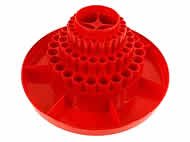
Desktop Caddies

Desktop Caddies: Keep frequently-used tools within arm's reach. Rotating carousel designs let you spin to find what you need; multi-compartment systems organize by type or project. Look for stable bases that won't tip when you grab a brush.

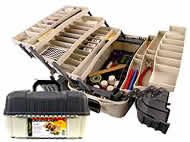
Storage Boxes

Storage Boxes: Modular systems stack and configure to your needs. Clear containers let you see contents; secure latches protect during transport. Choose sizes that match what you're storing—markers need different compartments than pencils.

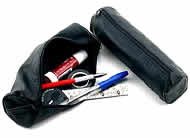
Art Bags

Art Bags: Flexible storage that expands with contents. Canvas and nylon bags provide lightweight transport for supplies that don't need rigid protection. Multiple compartments keep things organized without the weight of hard cases.

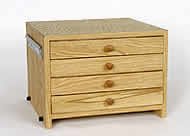
Storage Chests

Storage Chests: Multi-drawer organization for larger collections. Smooth drawer operation makes finding supplies quick; clear visibility helps you grab the right color without rummaging. Consider drawer depth based on what you're storing—deep for tubes, shallow for pencils.