


When you're personally transporting artwork—to class, to a client meeting, to a gallery—you control the handling. The job is protecting work from the bumps, weather, and chaos of transit while keeping it accessible.

Transportation Purchase Guide
Getting artwork from here to there—whether across town or across the country—comes down to one question: what could go wrong, and how do you prevent it? A painting carried to class faces different risks than one shipped to a buyer. A portfolio of drawings needs different protection than a ceramic sculpture.
This guide covers two scenarios: carrying work yourself and shipping it through carriers. The principles overlap, but the solutions differ. In both cases, the goal is the same: your work arrives looking exactly like it did when it left.
The Core Principle: Damage happens from impact, moisture, temperature extremes, and surface contact. Every packing decision addresses one or more of these threats. Understanding what can go wrong tells you exactly what protection you need.
In This Guide
Part 1: Carrying Work Yourself
Choosing a Portfolio: Size Matters Most
Portfolio cases and art bags come in standard sizes that correspond to common paper dimensions. The most important decision is getting the size right.
Common portfolio sizes: 11×14", 14×18", 18×24", 24×36", and larger specialty sizes up to 36×48".
The sizing rule: Choose a portfolio at least 2" larger than your biggest piece on each dimension. A portfolio that's exactly your paper size means bent corners and forced fits. A little extra room prevents damage.
Think ahead: If you're currently working at 18×24" but plan to work larger, buy the larger portfolio now. Upgrading later costs more than buying right the first time.
For students, 18×24" covers most coursework and is the most versatile general-purpose size. Professional artists presenting to clients often work with 24×36" portfolios to accommodate mounted work and presentation boards.
Portfolio Types: Matching Protection to Purpose
Soft portfolios (canvas or nylon bags) are lightweight and affordable. They protect against dust and light bumps but offer minimal rigidity. Fine for carrying drawings to class; insufficient for valuable finished work. Many fold flat for storage when not in use.
Semi-rigid portfolios have a flexible frame that provides structure without heavy weight. The standard choice for regular transport—protective enough for most situations, light enough to carry comfortably. Look for reinforced corners and quality zippers.
Hard portfolios offer maximum protection with rigid sides that resist crushing. Essential for valuable work, presentations where appearance matters, or situations with rough handling. Heavier and more expensive, but worth it when protection is paramount.
Presentation portfolios include internal sleeves or mounting systems for displaying work. Designed for interviews, client meetings, and portfolio reviews where you'll show work page by page. Often include business card holders and document pockets.
Cases and Pouches for Supplies and Tools
Protective cases and pouches keep tools organized and protected during transport. The right case depends on what you're carrying and how much abuse it might take.
Brush rolls and tool wraps: Canvas or leather rolls with individual slots keep brushes separated and protected. Tips stay safe, handles stay organized. Essential for transporting quality brushes—loose brushes in a bag get damaged.
Padded pouches: Soft protection for items that need cushioning but not rigid cases. Good for markers, pencils, and supplies that won't break from pressure.
Hard cases: For valuable or fragile equipment—tablets, cameras, precision instruments. Pelican and similar brands offer serious protection for serious gear. Worth the investment for anything expensive or irreplaceable.
Sketch boxes: Combine palette, brush storage, and supply compartments. Designed for working on location where you need everything accessible in one container.
Transporting Wet or Fragile Work
Wet paintings present special challenges. Paint that hasn't fully cured can smear, stick to protective materials, or pick up impressions from textures.
For wet oil paintings: Use wet canvas carriers with spacing systems that keep the painted surface from touching anything. Some artists use corner clips that hold the canvas by its stretcher bars, suspending the painted surface in air. Never lay anything against wet oil paint.
For wet acrylics: Acrylics dry faster but remain tacky longer than they appear. Wait until completely dry to the touch—and then wait longer. Acrylics that seem dry can still stick to plastic wrap or other surfaces. When in doubt, use spacing.
For pastels and charcoal: These smudge from any contact. Use glassine interleaving between pieces (it won't stick or transfer). Transport flat, with minimal vibration. Consider fixative spray before transport, but test compatibility first—some fixatives darken pastels.
For watercolors on paper: Ensure completely dry before stacking. Use acid-free tissue or glassine between sheets. Transport flat in a rigid portfolio to prevent bending.
💡 Pro Tip:
Document Before You Go: Photograph valuable artwork before transport—front, back, edges, any existing imperfections. If damage occurs, you have evidence of prior condition. This matters for insurance claims and proves the damage happened in transit rather than before.
Part 2: Shipping Artwork Safely
When artwork leaves your hands and enters a shipping system, you lose control. Packages get dropped, stacked, exposed to weather, left in hot trucks. Your packing job is the only protection your work has.
The good news: proper packing works. Artwork ships safely every day. The key is understanding what can go wrong and building protection against each threat.
Essential Packing Materials
Professional packing materials make the difference between artwork arriving safely and arriving damaged.
Glassine paper: The first layer against any painted surface. Glassine doesn't stick, doesn't transfer acids, and provides a clean barrier between your work and other packing materials. Essential for paintings, drawings, and prints. Never let bubble wrap or plastic directly touch a painted surface.
Bubble wrap: Provides cushioning against impact. Use with bubbles facing out (away from the artwork) to prevent impressions. Wrap at least one full layer; two for valuable work. Secure with tape on the back, never on the art side.
Cardboard sheets and corner protectors: Rigidity prevents bending; corners protect the most vulnerable areas. Double-wall corrugated cardboard is stronger than single-wall. Foam corner protectors add extra security for framed work.
Foam sheets and padding: Dense foam provides cushioning and fills voids. More reliable than packing peanuts, which can shift and leave gaps.
Quality tape: Use heavy-duty packing tape (2" wide minimum, 3+ mil thickness). Tape all seams completely—any untaped seam can catch and tear. Household tape and duct tape are not adequate.
Packing Flat Artwork (Paintings, Drawings, Prints)
Most flat artwork ships the same basic way, with variations based on medium and fragility.
Step 1 - Protect the surface: Cover the painted or drawn surface with glassine paper, cut 2" larger than the artwork on all sides. For canvas paintings, place face down on the glassine. For paper-based work, place face up.
Step 2 - Add cushioning: Wrap in bubble wrap, bubbles facing outward. Tape securely on the back. For valuable work, add a second layer.
Step 3 - Create rigidity: Sandwich between cardboard sheets cut slightly larger than the wrapped artwork. Tape the cardboard together to create a protective shell. Add corner protectors for framed work.
Step 4 - Box it: Place the wrapped, sandwiched artwork in a box 2-4" larger on each side. Fill all voids with foam or crumpled paper. The artwork should not move at all when you shake the box.
Step 5 - Seal and label: Tape all seams. Mark "FRAGILE" and "THIS SIDE UP" clearly. Include return address inside and outside the box.
Special Considerations for Canvas Paintings
Stretched canvas is vulnerable to puncture—the painted surface has nothing behind it but air. Your packing must protect against anything poking through.
Never roll oil paintings: Rolling can crack the paint layer, especially with thick impasto or aged paint. Ship flat, not rolled.
Protect the face: For thick impasto work, create a "floating" protection layer. Attach a piece of foam board or cardboard spaced slightly above the surface (using foam strips around the edges), so nothing touches the paint texture.
Reinforce the back: A sheet of cardboard across the back of the stretcher bars adds puncture resistance.
Consider the frame: If framed behind glass, tape an X across the glass with painter's tape—if it breaks, the tape holds the shards together and limits damage to the art. Better yet, ship glass separately or use acrylic glazing for shipping.
For very large or valuable paintings: Custom wooden crates provide the most protection. Build a crate with internal supports that hold the painting in place without touching the painted surface. This is standard for gallery and museum shipping.
Shipping Rolled Work in Tubes
Mailing tubes work well for prints, posters, and some unframed canvas—but not for everything.
Good candidates for tubes: Photographic prints, posters, thin acrylic paintings on unstretched canvas, works on paper without heavy media.
Poor candidates: Oil paintings (risk of cracking), pastels (will smudge), thick impasto work, anything on rigid support.
Tube sizing: The tube should be 4-6" longer than the shortest dimension of the rolled work, and wide enough for 3-4" of padding around the roll.
Rolling technique: Roll around a core (cardboard tube or foam rod) rather than rolling the paper on itself. Roll with the image facing outward to prevent cracking at the curled edge. Wrap the rolled work in glassine before adding padding.
End protection: Stuff both ends with foam or crumpled paper so the rolled artwork sits in the center, away from the end caps. Impacts hit the ends first.
Shipping Three-Dimensional Work
Sculpture and ceramics require more protection than flat work because they have vulnerable angles, projections, and surfaces on all sides.
Wrap individually: Cover every surface in bubble wrap. Pay extra attention to protruding elements—handles, extended limbs, delicate details. Wrap these areas with additional layers.
Use double-wall boxes: The extra strength is worth the cost. For heavy items, consider a box-within-a-box approach (double boxing).
Immobilize completely: The piece should not move at all inside the box. Dense foam, custom foam inserts, or molded packing materials work better than loose fill like packing peanuts.
Mark "FRAGILE" prominently: And realistically expect it may be ignored. Pack as if the box will be dropped, because it probably will be.
For valuable pieces: Professional crating or specialty art shipping services provide custom solutions—form-fitted foam, climate control, white-glove handling. Expensive, but appropriate for irreplaceable work.
⚠️ Important:
Insurance and Tracking: Always use tracking for shipped artwork. Insure valuable pieces for their actual value—carrier liability limits are typically much lower than artwork is worth. For high-value work, consider signature confirmation so you know it reached the recipient rather than a doorstep.
Choosing Carriers
Different carriers have different strengths, size limits, and pricing structures.
USPS: Often cheapest for smaller, lighter packages. Size limits are more restrictive than private carriers. Good for prints, small works.
UPS and FedEx: Handle larger packages, offer more service options, generally more reliable tracking. Often better for larger artwork. Compare rates—pricing varies by size, weight, distance, and speed.
Specialty art shippers: Companies that specialize in fine art understand the requirements and handle work appropriately. More expensive, but worth considering for high-value pieces. They offer custom crating, climate-controlled vehicles, and professional handling.
For regular shipping, package protection matters more than carrier choice. A well-packed piece survives any carrier; a poorly packed piece arrives damaged regardless of who ships it.
Labels and Documentation
Professional labels communicate handling requirements and help track shipments.
FRAGILE labels: Won't guarantee gentle handling, but signal that the contents need care. Place on multiple sides.
Orientation labels: "This Side Up" arrows indicate how to stack the box. Important for framed work or anything that shouldn't lie flat.
Return address: Include inside the box as well as outside. If outer labels get damaged, the package can still find its way back.
Contents documentation: For valuable work, include a packing slip describing what's inside, with photos if appropriate. This helps with insurance claims if needed and ensures recipients know what they're receiving.
Sustainable Packing: Reuse boxes and packing materials when possible—art supply shipments often include materials that work perfectly for outgoing packages. Choose appropriately sized boxes rather than oversized ones with excess fill. Biodegradable packing peanuts work as well as plastic ones. Quality reusable portfolios and cases last for years, reducing disposable packaging.
Frequently Asked Questions
What size portfolio should I buy?
Measure your largest work and add 2" to each dimension. Common sizes are 11×14", 18×24", and 24×36". When in doubt, go larger—you can always carry smaller work in a bigger portfolio, but you can't fit large work in an undersized one. For students, 18×24" is the most versatile starting point.
Can I roll an oil painting to ship it?
Generally, no. Oil paint can crack when rolled, especially if the paint is thick or the painting is older. Ship oil paintings flat. For very large pieces where flat shipping is impractical, consult a professional art shipper—they may unstretched and roll under specific conditions, but this isn't a DIY approach.
What should I never let touch a painting surface?
Bubble wrap directly on paint can leave impressions and may stick to not-fully-cured surfaces. Newspaper transfers ink and acids. Plastic wrap can stick to acrylics. Always use glassine paper as the first protective layer against any painted surface.
How do I ship a painting with glass?
Glass is risky—if it breaks, it can destroy the art. Tape an X across the glass with painter's tape to hold shards together if breakage occurs. Better: remove the glass and ship separately, or replace with acrylic glazing for shipping. If you must ship with glass, use a custom crate with internal supports.
What's the most common cause of shipping damage?
Movement inside the box. When packages are dropped or tossed, properly immobilized contents stay in place. Loose contents slam against box walls. Fill every void. The artwork should not shift at all when you shake the sealed box.
How much should I insure artwork for?
The replacement or fair market value—what you'd sell it for or what it would cost to recreate. Standard carrier liability is typically $100 or less, which won't cover most artwork. Declare the actual value and pay for appropriate insurance coverage.
Should I ship framed or unframed?
Unframed is generally safer—less weight, no glass risk, simpler packing. If the buyer needs it framed, ship the frame separately. For valuable framed work, professional crating is advisable.
How do I pack pastels or charcoal drawings?
These media smudge from any contact. Use glassine interleaving (it won't stick or transfer media). Don't stack weight on top. Ship flat with the piece immobilized so there's no vibration or shifting. Consider fixative spray before shipping, but test first—some fixatives darken pastels noticeably.
What's the difference between soft and hard portfolio cases?
Soft portfolios (canvas, nylon) are lightweight and affordable but offer minimal crush protection. Hard portfolios have rigid sides that resist impact and stacking. For valuable work or rough handling situations, hard cases are worth the extra cost and weight. For casual transport of working drawings, soft portfolios suffice.
How do I ship ceramics or sculpture safely?
Wrap every surface in bubble wrap, with extra layers on vulnerable projections. Use a double-wall box with dense foam filling—not loose peanuts. The piece should be completely immobilized. For valuable work, double-box (pack the wrapped piece in one box, then place that box inside a larger box with cushioning between). Mark fragile on multiple sides.
Shipping Supply Starter Kit: Roll of glassine paper + bubble wrap + cardboard sheets + corner protectors + quality packing tape + assorted boxes = everything you need to ship most flat artwork safely. Total investment under $50; reusable for many shipments.
Transport Essentials
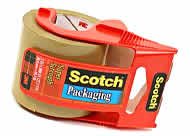
Portfolio Cases & Art Bags: From student canvas bags to professional rigid cases. Size matters most—measure your largest work and add 2" to each dimension. Look for quality zippers, reinforced corners, and comfortable handles for regular carrying.

Packing & Shipping Materials: Glassine paper protects painted surfaces. Bubble wrap cushions against impact. Cardboard creates rigidity. Together, they form the layers that keep artwork safe through shipping.
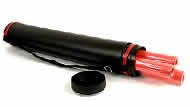
Mailing Tubes: Ideal for prints, posters, and work on paper. Choose tubes 4-6" longer than your rolled work with room for padding around the roll. Not recommended for oil paintings or thick media that may crack.

Cases & Pouches: Brush rolls, tool wraps, and protective pouches keep supplies organized and protected. Hard cases for valuable equipment; soft pouches for everyday tools.
Shop Art Transportation & Carrying
Professional transport solutions for artwork and art supplies
Cotton Tote
by Mark Richards Enterprises

$4.50
Expandable Tube System
by Chartpak

3
Versions of this item
From: $7.40
Bookaroo Pen Pouch
by IF USA

5
Versions of this item
From: $11.99
Economy Cardboard Portfolio
by Ecofolio

2
Versions of this item
From: $5.14
Profolio Entourage Tote Bag
by Itoya

2
Versions of this item
From: $28.79

$15.99
Rapidesign Telescoping Document Tube
by Chartpak

$35.33
Flex & Seal Shipping Rolls
by Scotch

1
Versions of this item
From: $7.32


