Purchase Guide: Scrapbooking

Scrapbooking Purchase Guide

Scrapbooking Purchase Guide

Scrapbooking lives in an interesting space. On one hand, it's a craft—cutting, arranging, decorating pages with photos and memories. On the other, it's preservation—creating albums you hope your grandchildren will treasure. These two purposes pull in different directions, and understanding which matters more for your project shapes every purchasing decision you'll make.

The scrapbooking industry leans heavily on "archival quality" as a selling point, sometimes creating anxiety where none is needed. The truth is simpler: some projects genuinely benefit from museum-grade materials, while others work perfectly fine with standard craft supplies. Knowing which is which saves money and stress.

In This Guide

The Archival Question: When It Matters and When It Doesn't

"Archival" means materials designed to last decades without degrading or damaging what they touch. For scrapbooking, this primarily concerns three things: paper that won't yellow and crumble, adhesives that won't damage photos, and protection from light and humidity.

Here's a practical way to think about it: Will you care if this fades noticeably in 20 years? If you're preserving wedding photos, baby pictures, or irreplaceable family images—yes, archival materials are worth the investment. If you're making a fun travel album with prints you could reorder, or a decorative project for current display, standard craft supplies work fine.

For detailed explanation of archival terminology—acid-free, lignin-free, buffered, PAT certification—see our Storage Guide, which covers these concepts thoroughly.

💡 Pro Tip:

The Photo Test: Ask yourself: "Could I get another copy of this photo?" Original prints from the film era, inherited family photos, one-of-a-kind snapshots—these deserve archival treatment. Digital photos you could reprint? Standard materials are fine.

When Archival Materials Are Worth It

Heritage albums containing old family photos, documents, or memorabilia that can't be replaced deserve the best protection. Use archival-grade everything: album, page protectors, mounting materials, and storage.

Wedding and baby albums that you're creating as heirlooms should use photo-safe adhesives and acid-free papers. The photos may be replaceable, but the crafted pages represent significant time investment.

Photos from the film era—actual prints, not digital copies—often can't be rescanned at the original quality. If the print is damaged, that moment may be lost. Treat these with care.

When Standard Supplies Work Fine

Travel journals and vacation albums made from photos you could reprint don't need archival treatment unless you're investing significant creative effort in the pages themselves.

Kids' craft projects are about the experience, not permanence. Let children work with regular paper and stickers without worrying about pH levels.

Decorative projects meant for current display rather than long-term storage can use whatever materials achieve the look you want.

Practice pages while learning new techniques shouldn't waste expensive archival supplies. Get comfortable with your tools first.

Starting Simple: What You Actually Need

Scrapbooking can become an expensive hobby quickly, but starting requires surprisingly little. A functional first setup includes: an album with page protectors, cardstock for backgrounds, something to attach photos, a way to write captions, and basic cutting tools.

That's genuinely it for making pages. Everything else—embellishments, stamps, die-cut machines, specialized punches—adds creative options but isn't necessary to begin. Many accomplished scrapbookers work with minimal supplies, letting photos and journaling carry their pages rather than decorative elements.

Practical Starter Setup (~$50-75): 12×12 post-bound album with page protectors, pack of solid cardstock in coordinating colors, photo corners or tape runner, one archival journaling pen, paper trimmer or good scissors. Add more only after you've made several pages and know what you actually want.

Album Size: 12×12 vs. 8.5×11

This is the first real decision, and it affects everything else you buy—paper, page protectors, storage. Both sizes work; neither is objectively better.

12×12 albums give you more design space and accommodate the standard scrapbook paper size the industry has settled on. Most patterned papers, cardstock packs, and embellishment collections are designed for this format. If you want maximum creative flexibility and don't mind the larger footprint, 12×12 is the conventional choice.

8.5×11 albums use standard letter-size paper, which is cheaper and more readily available. They're easier to store on regular bookshelves and work well for simpler layouts that let photos dominate. Travel journals and quick albums often suit this format.

Consider where you'll store finished albums and what design style appeals to you. Elaborate multi-photo layouts with lots of embellishment benefit from 12×12 space. Clean, photo-focused pages work beautifully at 8.5×11.

Album Binding Types

Post-bound albums use metal posts through holes in the pages, allowing easy expansion by swapping for longer posts. Pages lie relatively flat, and you can rearrange them. Most popular for active scrapbooking where you're adding pages over time.

Strap-hinge albums use plastic straps through stapled hinges on the pages. They expand easily and lie very flat—often the flattest option—making them popular for displaying finished work. Pages can be rearranged.

Three-ring binders use standard ring mechanisms. Least expensive, easiest to find page protectors for, but pages don't lie as flat and the rings can show in photos of open albums. Practical choice for albums that prioritize function over presentation.

Spiral-bound albums have a fixed page count and order. Less flexible but often more affordable, and some people prefer the finished-book feel.

Adhesives: The Decision That Actually Matters

Adhesive choice affects your photos more than almost any other decision. The wrong adhesive can stain, discolor, or physically damage photographs over years—sometimes irreversibly. This is one area where "photo-safe" labeling genuinely matters.

Photo corners hold photos by their edges without touching the image surface. They're reversible—you can remove photos later if needed—making them ideal for irreplaceable prints. Traditional triangular corners work fine; self-adhesive versions speed up the process.

Tape runners apply thin strips of adhesive quickly and cleanly. Permanent versions bond strongly to paper; choose photo-safe formulations for mounting photos. Excellent for attaching paper elements where permanence is fine.

Glue dots and foam squares add dimension by raising elements off the page. Foam squares work well for layered paper elements. Glue dots provide strong spot adhesion. Neither should directly contact photo surfaces.

Repositionable adhesives allow you to adjust placement before committing. Useful for experimenting with layouts, though they may not hold long-term as well as permanent options.

⚠️ Important:

Adhesives to Avoid: Rubber cement yellows and fails over time. Magnetic photo albums (the kind with sticky pages and plastic overlay) contain PVC that damages photos—many people have discovered ruined photos stuck permanently to these pages. Spray adhesives not specifically labeled photo-safe can off-gas chemicals that harm prints. When in doubt, check for PAT (Photographic Activity Test) certification.

Paper and Cardstock Basics

Cardstock forms the foundation of most scrapbook pages—the background that everything else attaches to. Weight matters: 65-80 lb cardstock provides enough stiffness to support photos and embellishments without flopping. Lighter weights work for layered elements but not backgrounds.

Patterned paper adds visual interest through printed designs—florals, geometrics, themes, textures. Usually slightly lighter weight than cardstock, meant for layering rather than page bases. Collections offer coordinated patterns and colors designed to work together.

Solid cardstock in coordinating colors provides visual breathing room between busy patterns. Many scrapbookers buy multi-packs of solids in color families they use frequently.

Specialty papers include vellum (translucent, good for overlays), textured papers, metallic finishes, and embossed designs. Nice for accents; not necessary when starting out.

Cutting Tools: From Scissors to Machines

You can make beautiful scrapbook pages with nothing fancier than good scissors. That said, certain tools make specific tasks dramatically easier.

Paper trimmers produce clean, straight cuts faster and more accurately than scissors. Even inexpensive guillotine or rotary trimmers transform the experience of cutting cardstock. If you buy one tool beyond scissors, make it a trimmer.

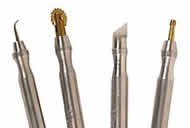
Craft knives (X-Acto and similar) handle detailed cuts, curves, and interior cuts that scissors can't reach. Require cutting mats to protect work surfaces. Essential for intricate work, optional for simple layouts.

Punches create consistent shapes—circles, corners, decorative edges—with one squeeze. Corner rounders are particularly popular. Buy punches for shapes you'll use repeatedly; they're not worth it for occasional use.

Electronic Cutting Machines: Worth It?

Cricut, Silhouette, and similar machines cut precise shapes from digital designs—letters, intricate patterns, custom images. They're genuinely impressive tools that open creative possibilities impossible by hand. They're also expensive ($200-400+), require learning curves, and need ongoing supplies (cutting mats, blades, specialized materials).

Good candidates for electronic cutters: People who scrapbook frequently and want lots of custom titles, die-cuts, and shaped elements. Crafters who also do other paper projects (cards, home décor, vinyl). Those who enjoy the technical/design side of crafting.

Probably not worth it for: Occasional scrapbookers who make a few albums a year. People who prefer photo-focused layouts with minimal embellishment. Those who find technology frustrating rather than fun.

Middle ground: Manual die-cut machines (Sizzix Big Shot and similar) use physical dies to cut shapes without electronics. Lower learning curve, no software required, but limited to the dies you own. Dies accumulate into their own collection and expense, but the machine itself costs less and never becomes obsolete.

Preserving Old Family Photos

Heritage scrapbooking—working with old family photographs—requires extra care because these images often can't be replaced. The stakes are higher than with current digital photos.

Never use original vintage photos directly in scrapbooks. Even with archival materials, photos mounted in albums face more handling, light exposure, and potential damage than photos stored properly. Instead, scan originals at high resolution (600 dpi minimum for prints, higher for small images), then print copies on archival photo paper. Work with the copies; store originals safely.

If you must use originals—perhaps you're consolidating existing albums or the photos are low-value duplicates—use photo corners exclusively, never adhesive that contacts the photo surface. This allows removal later if needed.

Store originals separately in archival boxes or sleeves, away from scrapbooks. See our Storage Guide for proper archival storage materials and conditions.

💡 Pro Tip:

Scanning Tip: Even smartphone photos of old prints create backup copies, though flatbed scanner results are significantly better. If you don't own a scanner, many libraries, copy shops, and photography stores offer scanning services. One afternoon of scanning creates digital backups of irreplaceable photos.

Stamping and Embossing: When to Add These

Stamping creates custom images, patterns, and text on your pages. Embossing adds raised texture, either through heat-activated powders or mechanical embossing folders. Both are optional enhancements, not requirements.

Stamps work well for: titles and sentiments, decorative borders, custom background patterns, themed images. Clear stamps on acrylic blocks allow precise placement. Rubber stamps mounted on wood provide traditional crafting feel. Both achieve similar results.

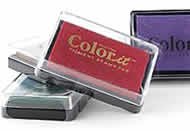
Ink considerations: Dye-based inks dry quickly and blend well but may fade over time. Pigment-based inks (often labeled "archival") resist fading but dry slowly and need sealing on glossy surfaces. For work you want to last, pigment inks are worth the extra drying time.

Heat embossing creates raised, shiny surfaces: stamp with slow-drying ink, sprinkle with embossing powder, heat until powder melts. Impressive effect but adds time and requires a heat gun.

Dry embossing uses folders that press texture into paper—no heat required, just a manual die-cut machine or dedicated tool. Creates subtle raised patterns.

Embellishments: Adding Dimension and Detail

Embellishments encompass everything decorative you add to pages beyond paper and photos: stickers, die-cuts, ribbons, buttons, charms, chipboard shapes, washi tape, and countless specialty items.

The abundance of available embellishments creates a real risk: spending more on decorations than on the album itself, accumulating far more than you'll use, and overwhelming simple pages with too much stuff. Many experienced scrapbookers eventually simplify, letting photos and journaling carry more weight.

Practical approach: Start with a small collection—some alphabet stickers for titles, a few coordinating embellishments for your current project. Add selectively based on actual needs rather than hypothetical future projects. Embellishment collections often look appealing in the store but sit unused because they don't match anything you're actually making.

Journaling: The Part That Actually Matters

Decades from now, the photos remain understandable, but the stories—who these people are, why this moment mattered, what was happening outside the frame—fade from memory. Journaling preserves context that photos can't capture.

This doesn't require elegant prose. Simple captions work: names, dates, places, one sentence of context. "Grandma's 80th birthday, Dad made the cake, July 2024" tells future viewers everything they need. Don't let perfectionism prevent any journaling at all.

Pen choice matters if you care about permanence. Pigment-based pens (Sakura Pigma Micron, Zig Memory System, Staedtler Pigment Liners) resist fading and water damage. Ballpoint and gel pens vary widely—some fade significantly, others hold up well. For archival albums, stick with pens labeled "archival" or "acid-free."

For casual projects, use whatever pen you enjoy writing with. Legible journaling in impermanent ink beats perfect supplies with blank pages.

Portable Scrapbooking and Crop Events

"Crops" are scrapbooking gatherings—multi-hour or weekend events where scrapbookers work together, share supplies, and make progress on albums. The social aspect and dedicated time help many people complete projects that stall at home.

Portable storage systems matter for crop attendance. Rolling totes carry supplies without straining backs. Organized compartments mean setup takes minutes, not hours. The goal is bringing what you need without bringing everything you own.

Crop kit essentials: Current project album and photos, adhesive, paper trimmer, scissors, pens. Add cardstock and embellishments for your planned pages, but resist the urge to pack options for every contingency. Heavy bags discourage attendance.

Shared supplies: Crops often include communal tools—die-cut machines, specialty punches, embossing equipment—that you can try before buying. This is a good way to evaluate whether electronic cutters or other expensive tools suit your style before investing.

Organizing Scrapbook Supplies

Scrapbooking supplies multiply. Paper comes in collections, embellishments accumulate, tools spread across surfaces. Without some organization system, you lose track of what you own—leading to duplicate purchases and the frustrating experience of knowing you have something but not finding it.

Paper storage: Vertical file systems keep 12×12 sheets visible and accessible. Horizontal stacking works but makes bottom sheets hard to retrieve. Organize by color family or theme rather than by collection—you're more likely to search for "blue cardstock" than for "Echo Park Summer Dreams pack."

Small items: Clear containers let you see contents without opening everything. Divided cases work well for embellishments by type or color. Photo storage boxes sized for punches, inks, and small tools maintain visibility while containing chaos.

The honest test: Can you find a specific item within two minutes? If not, your system needs adjustment. Perfectly categorized supplies that take forever to locate aren't actually organized for use.

Frequently Asked Questions

What size album should I start with?

12×12 if you want maximum design flexibility and access to the widest selection of coordinating supplies. 8.5×11 if you prefer simpler layouts, want cheaper paper options, or need albums that fit on standard bookshelves. Neither is wrong—consider your storage space and design preferences.

Do I really need all archival supplies?

For albums containing irreplaceable photos you want to last generations, yes—photo-safe adhesives and acid-free papers are worth the investment. For casual projects, travel journals with reprintable photos, or kids' craft albums, standard craft supplies work fine. Match material quality to how much the project's longevity matters to you.

What's the minimum I need to start?

Album with page protectors, cardstock, photo corners or tape runner, one good pen, scissors or paper trimmer. Total investment $50-75. Everything else is optional until you know what you actually want.

Should I buy an electronic cutting machine?

Only if you scrapbook frequently and want lots of custom die-cuts, or if you'll use it for other crafts too. For occasional scrapbooking, manual cutting tools (scissors, trimmer, punches, maybe a manual die-cut machine) handle most needs at far lower cost. Try friends' machines or take a class before investing.

How do I preserve old family photographs safely?

Scan them first to create digital backups. Work with printed copies, not originals. If you must use originals, mount with photo corners only—never adhesive that touches the photo surface. Store originals separately in archival boxes, not in the scrapbook.

What's wrong with magnetic photo albums?

The sticky pages and plastic overlays often contain PVC, which releases acids that damage photos over time. Photos can become permanently stuck to pages and impossible to remove without damage. If you have photos in magnetic albums, consider carefully removing and rescanning them before deterioration worsens.

Can I mix archival and non-archival supplies?

Yes, with care. Use archival materials for anything that directly contacts photos. Decorative elements that don't touch photos directly can be non-archival without damaging your images—though they may themselves fade or deteriorate over time.

How do I know if a pen is archival?

Look for "archival," "acid-free," or "pigment-based" labeling. Major archival pen brands include Sakura Pigma Micron, Zig Memory System, and Staedtler Pigment Liners. Dye-based pens fade over time; pigment-based inks resist fading significantly better.

What should I bring to a crop event?

Your current project: album, photos, adhesive, trimmer, scissors, pens, and paper/embellishments for planned pages. Don't bring your entire supply stash—it's exhausting to transport and you won't use most of it. Many crops have shared tools you can borrow.

How do I stop buying supplies I don't use?

Shop for specific projects, not hypothetical future ones. Before buying patterned paper or embellishments, have a specific page in mind. Build a core supply of versatile basics (solid cardstock, neutral embellishments, essential tools) and add specialty items only when you have immediate use for them.

Albums and Refills

Albums and Refills — Post-bound, strap-hinge, and ring-bound albums in 12×12 and 8.5×11 sizes. Page protectors and expansion posts for growing albums.

Paper and Cardstock

Paper and Cardstock — Solid cardstock, patterned papers, and specialty papers in archival-quality formulations.

Adhesives

Photo-Safe Adhesives — Photo corners, tape runners, glue dots, and mounting squares. PAT-certified options for archival albums.

Tools

Cutting Tools — Paper trimmers, craft knives, punches, and scissors. Manual and electronic cutting systems.

Stamping Supplies

Stamping and Embossing — Clear stamps, ink pads, embossing powders and tools. Archival ink formulations for lasting impressions.

Embellishments

Embellishments — Stickers, die-cuts, ribbons, charms, and dimensional elements for adding detail and personality to pages.

Storage

Storage and Organization — Paper storage systems, rolling totes, portable crop bags, and desktop organizers.